
Where We Be
 | |  | |  | |  | |  | |  | |  |


| Bath, England |
We spent four days in Bath. Day 1 was our
arrival day on foot as we completed the 102-mile
Cotswold Way. Day 2 was devoted to seeing the
famous Roman Baths of Bath -- the most famous
and best-preserved Roman spa complex in the
world. Day 3 was a full-day tour of Stonehenge
and the Cotswolds (see the next page). Day 4
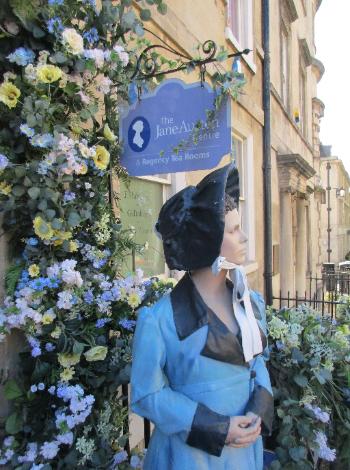
was devoted to the Jane Austen Centre and the
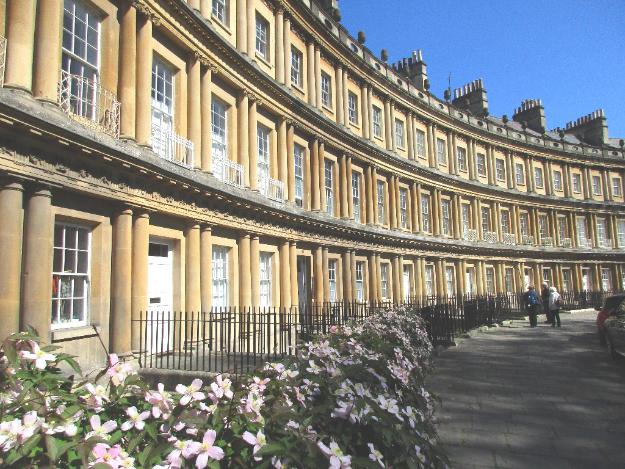
outstanding Georgian architecture of the city.
It's no wonder so many shows and movies have
been filmed here -- Bridgerton, Sherlock, Les
Misérables, Persuasion, The Duchess, Vanity Fair,
and so on. The architecture is gorgeous. Honey-
colored stone buildings curve their way into
your heart with their classical style and perfect
symmetry. They make an excellent backdrop for
period pieces -- and a fantastic place to stroll.
We stayed in the very heart of the city center,
just steps from the Roman Baths and Bath
Abbey, at a place called St. Catherine's Hospital.
This former almshouse has been beautifully
converted into a set of ten luxury short-stay
holiday apartments clustered around a peaceful
courtyard garden. Revenue from your stay goes
directly to fund charitable works and community
support. It's a win-win and makes for a fine base.
arrival day on foot as we completed the 102-mile
Cotswold Way. Day 2 was devoted to seeing the
famous Roman Baths of Bath -- the most famous
and best-preserved Roman spa complex in the
world. Day 3 was a full-day tour of Stonehenge
and the Cotswolds (see the next page). Day 4
was devoted to the Jane Austen Centre and the
outstanding Georgian architecture of the city.
It's no wonder so many shows and movies have
been filmed here -- Bridgerton, Sherlock, Les
Misérables, Persuasion, The Duchess, Vanity Fair,
and so on. The architecture is gorgeous. Honey-
colored stone buildings curve their way into
your heart with their classical style and perfect
symmetry. They make an excellent backdrop for
period pieces -- and a fantastic place to stroll.
We stayed in the very heart of the city center,
just steps from the Roman Baths and Bath
Abbey, at a place called St. Catherine's Hospital.
This former almshouse has been beautifully
converted into a set of ten luxury short-stay
holiday apartments clustered around a peaceful
courtyard garden. Revenue from your stay goes
directly to fund charitable works and community
support. It's a win-win and makes for a fine base.
| If you're a fan of Georgian architecture -- or a fan of period pieces like "Bridgerton" -- then Bath is for you |
| Georgian Architecture |
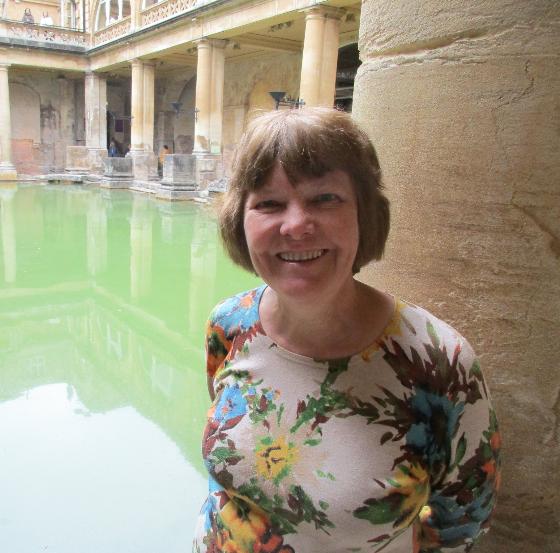
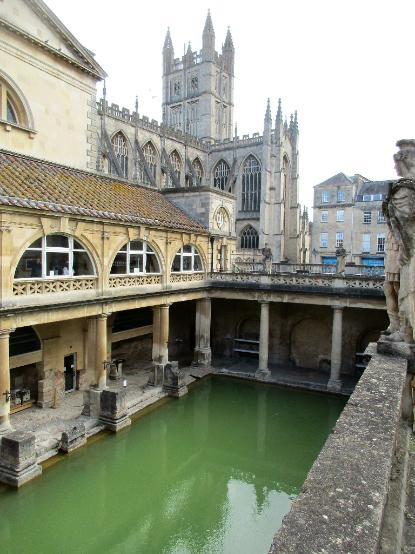
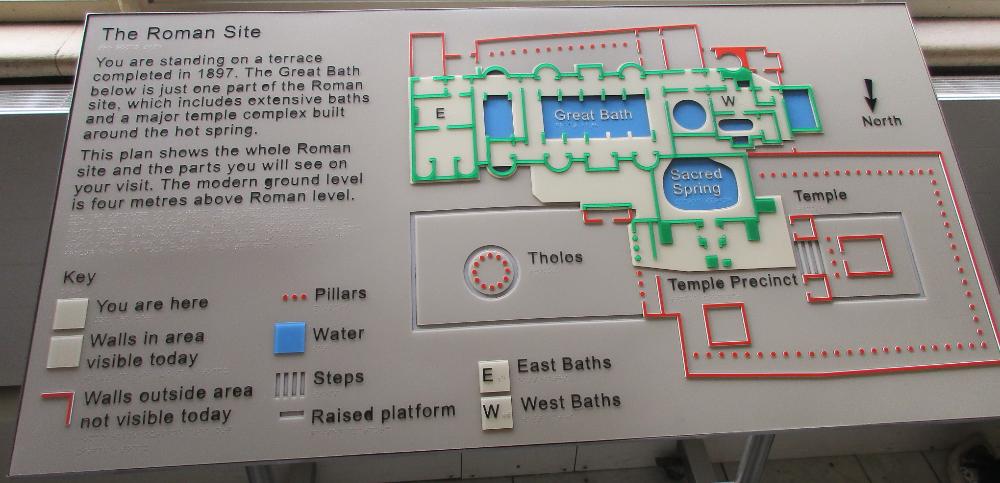
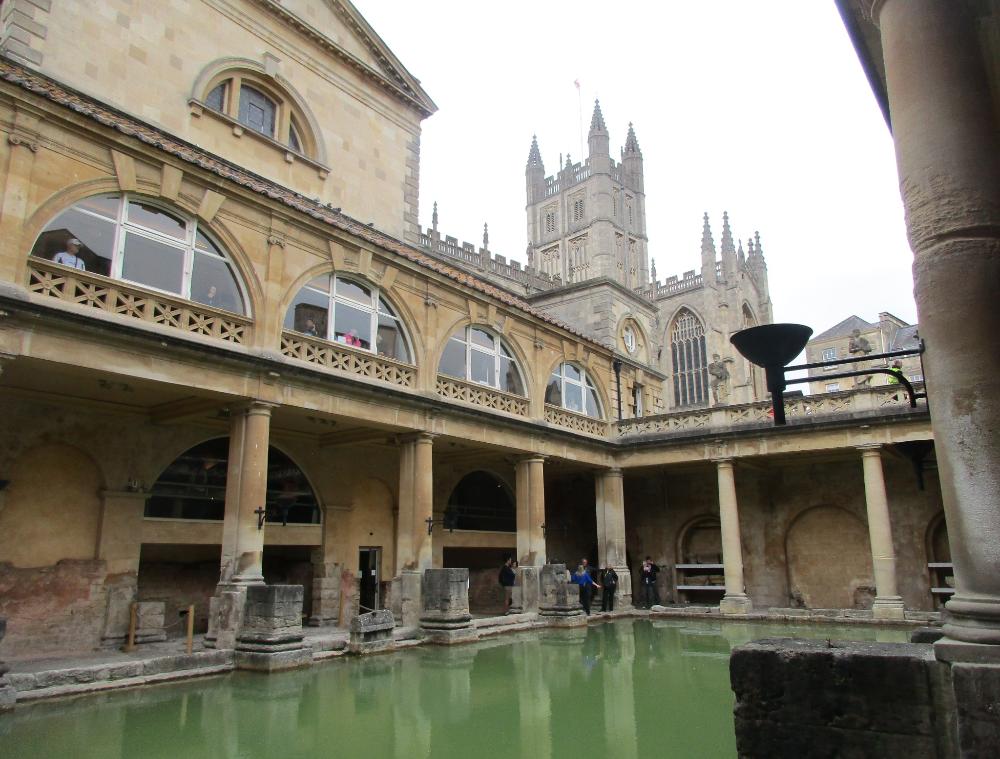
| The morning after finishing the Cotswold Way, we visited the Roman Baths. Constructed in 60-70 A.D., they remain in amazingly good shape today. |
| Prior to 1727 the area was basically a swamp, so the story of how the Great Bath was rediscovered and excavated makes for a fascinating tale in itself |
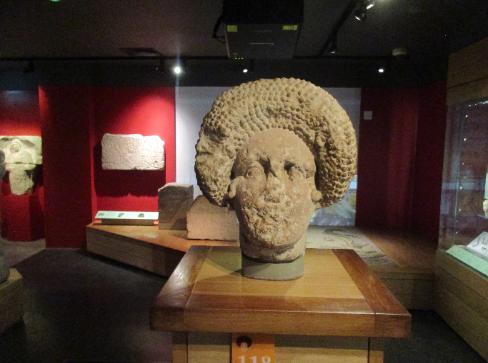
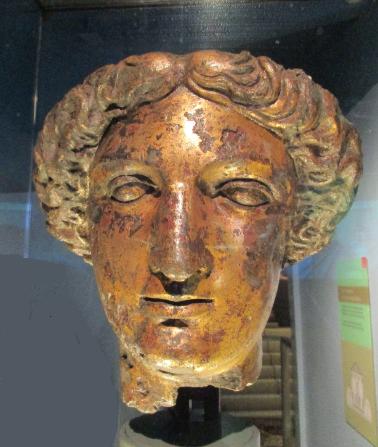
| This gilded bronze Minerva head was found in 1727 during sewer work -- the first big discovery at the site |
| The audio tour is excellent, and it takes you through the entire in-situ complex. Adding to the experience, videos superimposed over the ruins show people laughing, playing games, passing a ball back and forth, getting massages, etc., to give you an idea of what it would have been like in Roman times. |
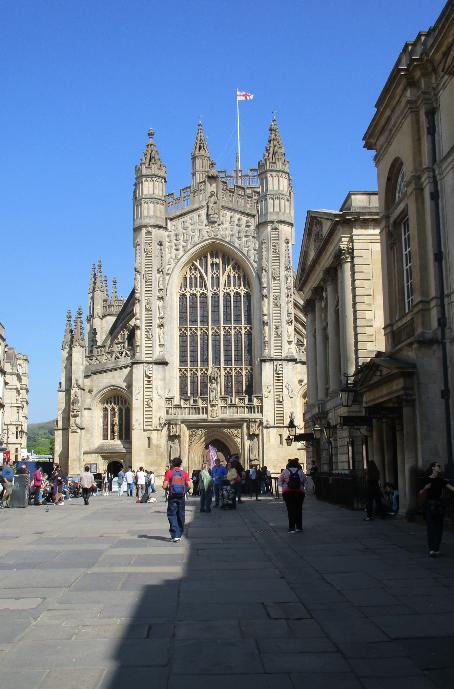
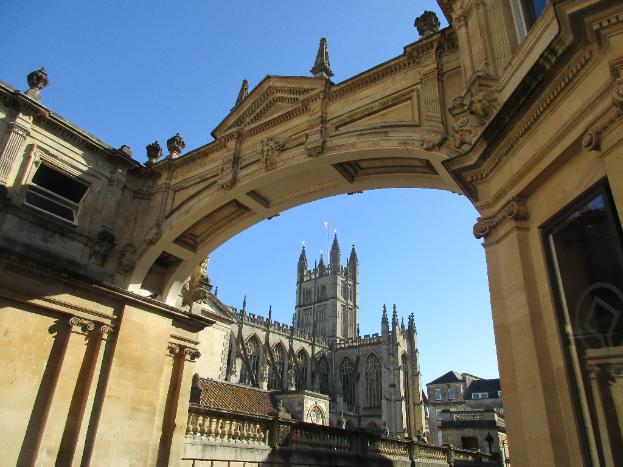
| York Street Arch perfectly frames the west front of Bath Abbey |
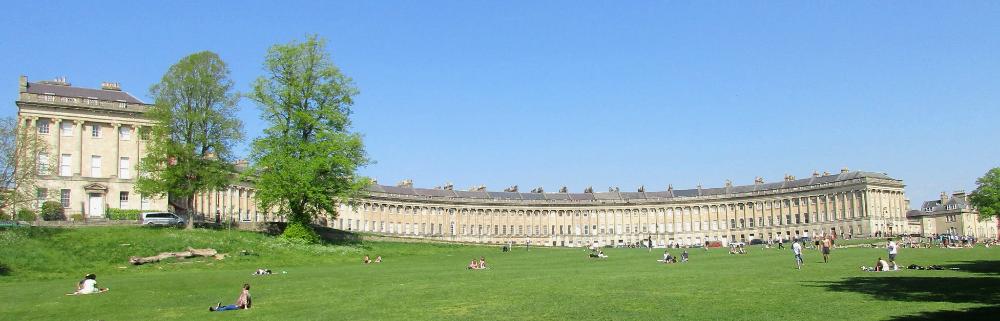
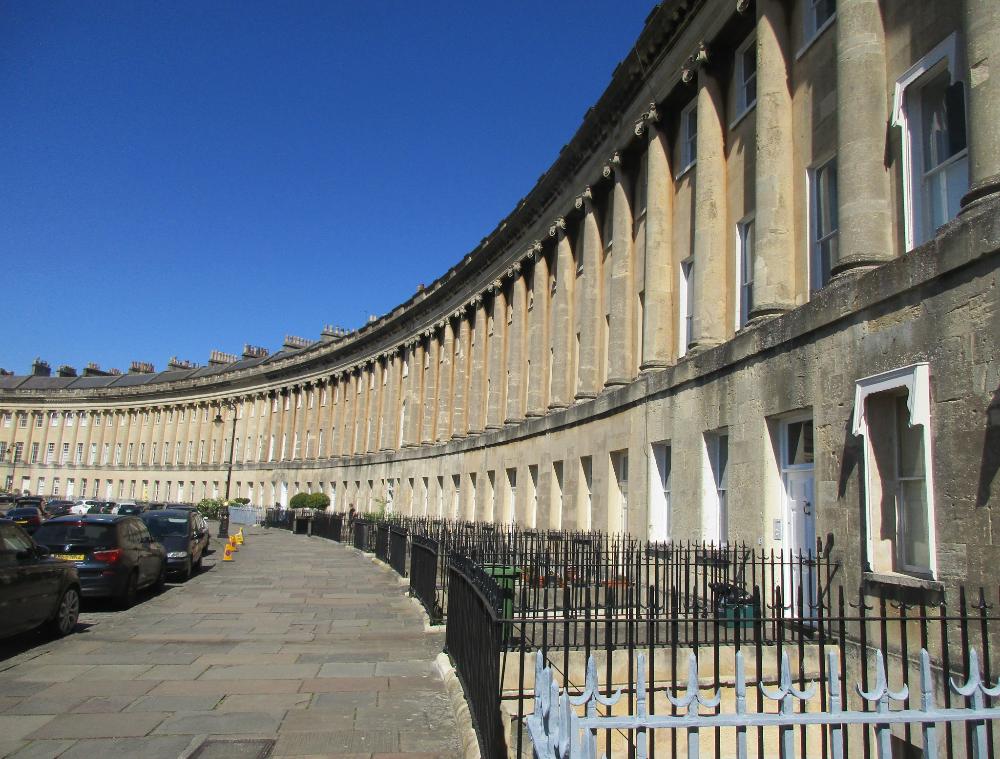
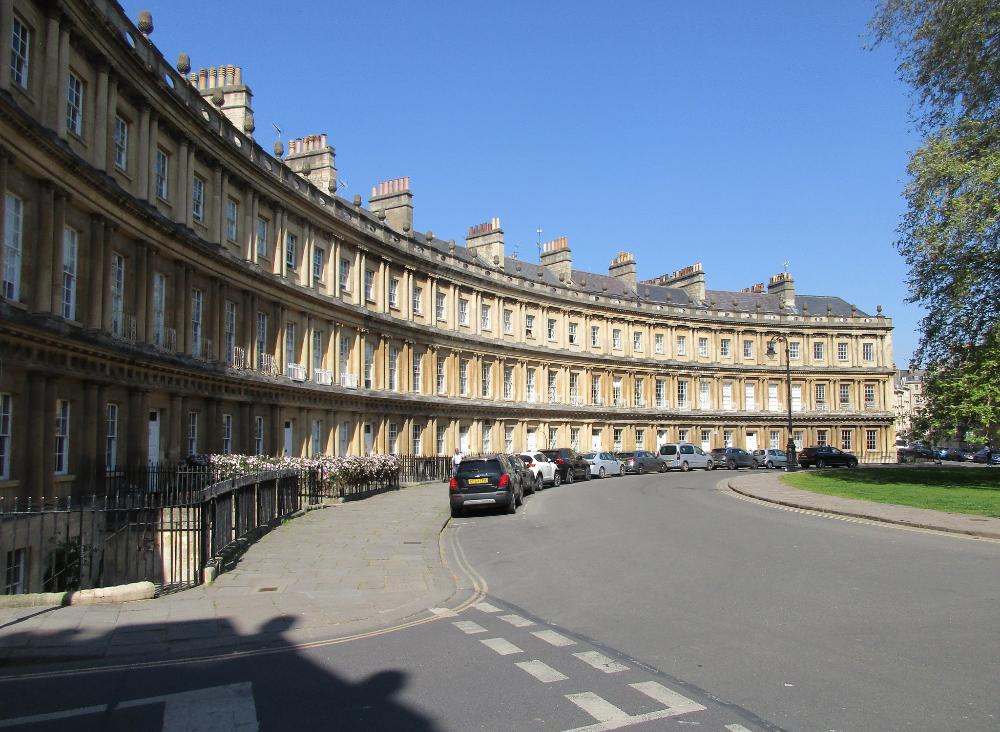
| Let's start with No. 1 Royal Crescent -- the crème de la crème of Georgian architecture with its sweeping curve and unforgettable dimensions |
| This is where 18th-century aristocrats stayed during the social season, and it still impresses today |
| Practically right next door is The Circus -- a massive circle of townhouses designed to mimic the sun. Interestingly, the architect (John Wood) designed The Circus to have the exact same diameter as Stonehenge and formed it as a perfect circle broken into three equal curved segments. |
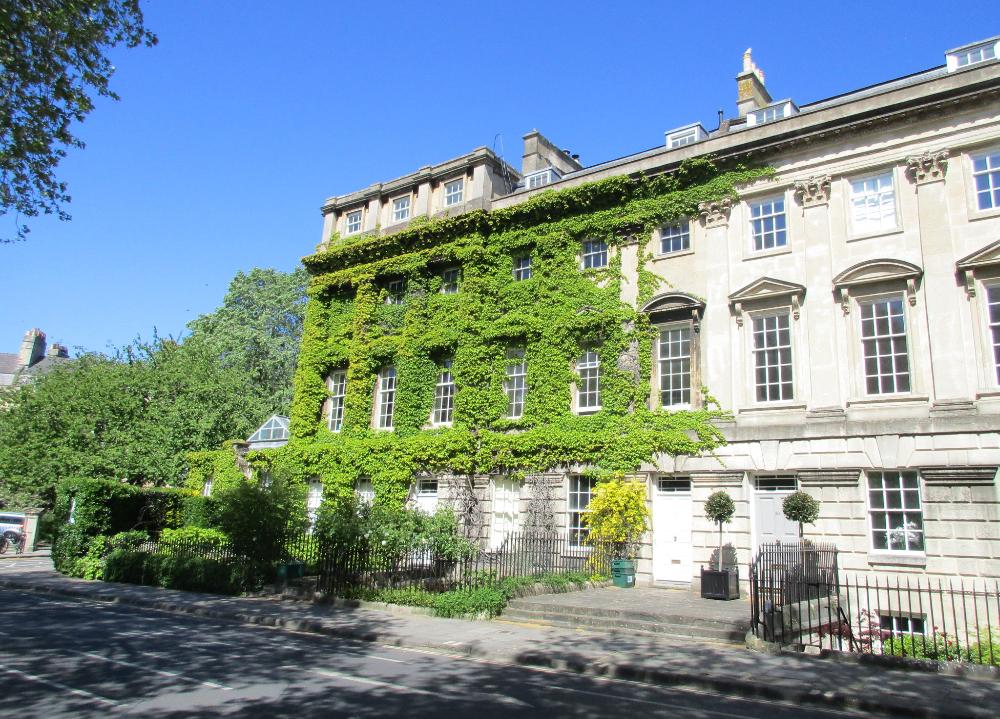
| This ivy-covered Georgian townhouse on Queen Square was also designed by John Elder (architect of The Circus) |
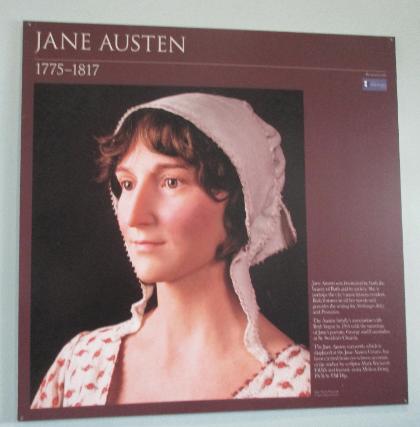
| Jane Austen lived just down the street from here for a time. Our visit began with a gentleman in costume giving a 20-minute summary of her immediate family and her time in Bath. |
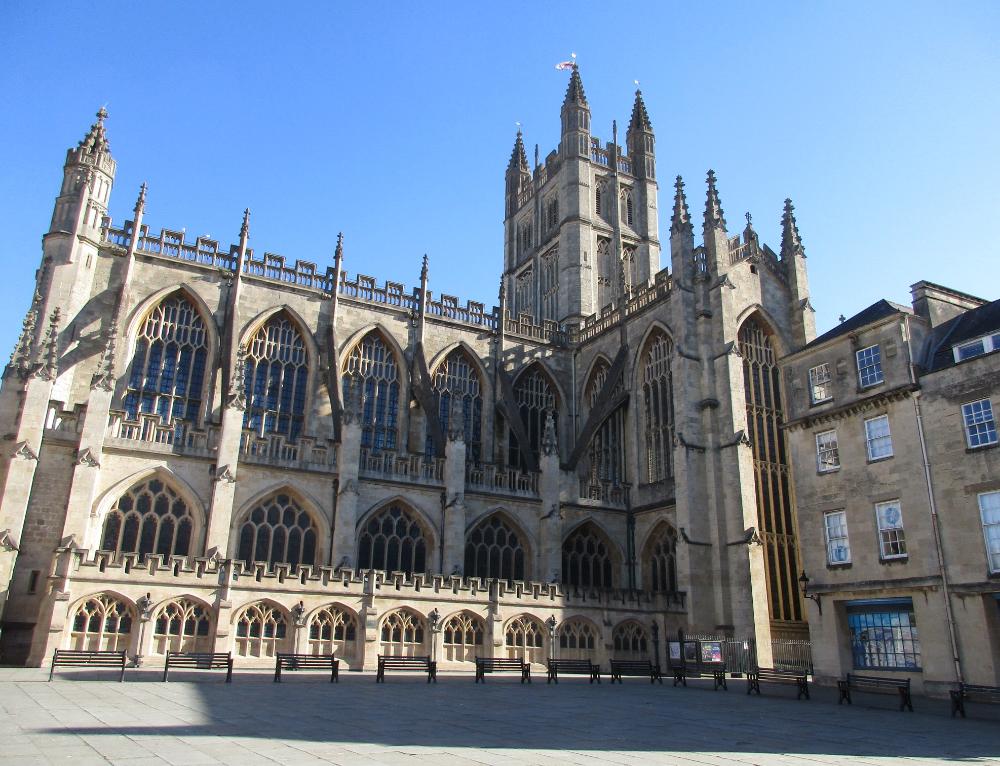
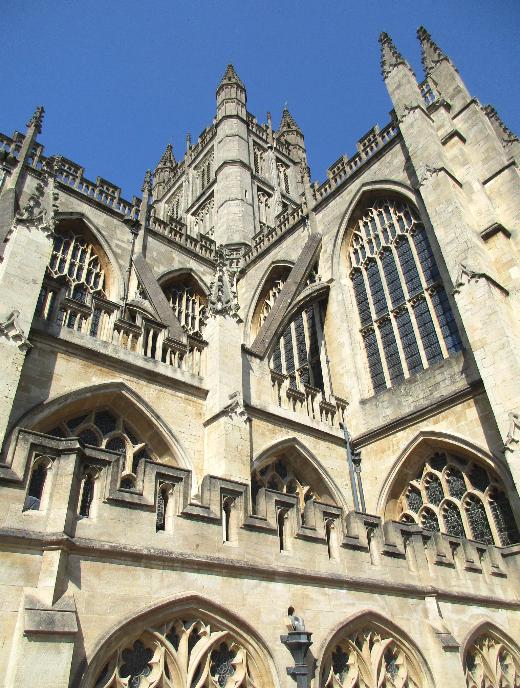
| Adding to Bath's UNESCO World Heritage status is Bath Abbey -- a soaring "Perpendicular Gothic" cathedral |
| Bath Abbey is considered the last great example of Gothic medieval architecture in England |
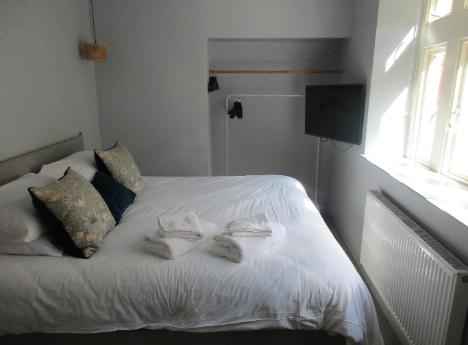
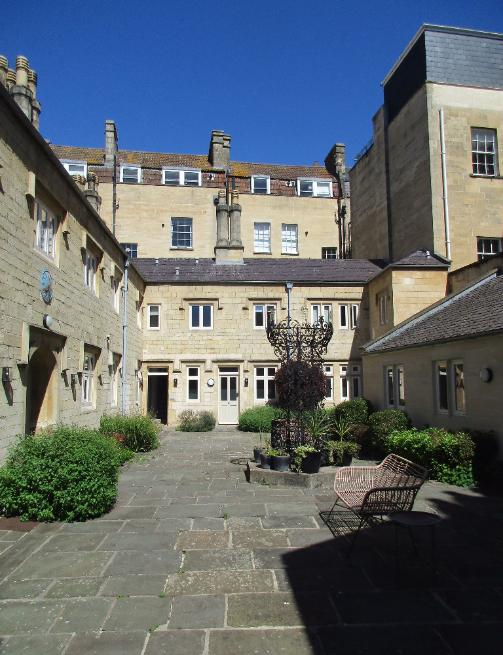
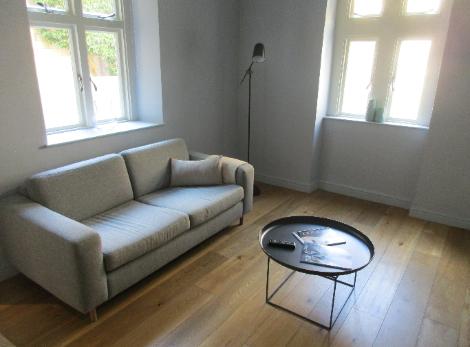
| We loved our stay at St. Catherine's Hospital -- a former almsouse converted into luxury guest apartments. Its central location near the Roman Baths and Bath Abbey makes it hard to beat. |
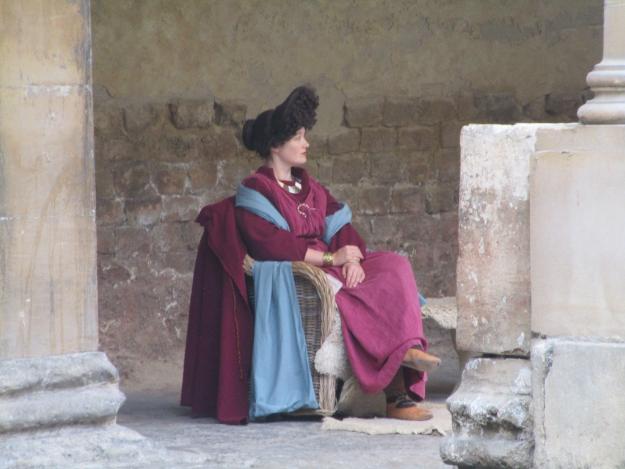
| This costumed character represents a Roman inhabitant of Aquae Sulis (now Bath) |
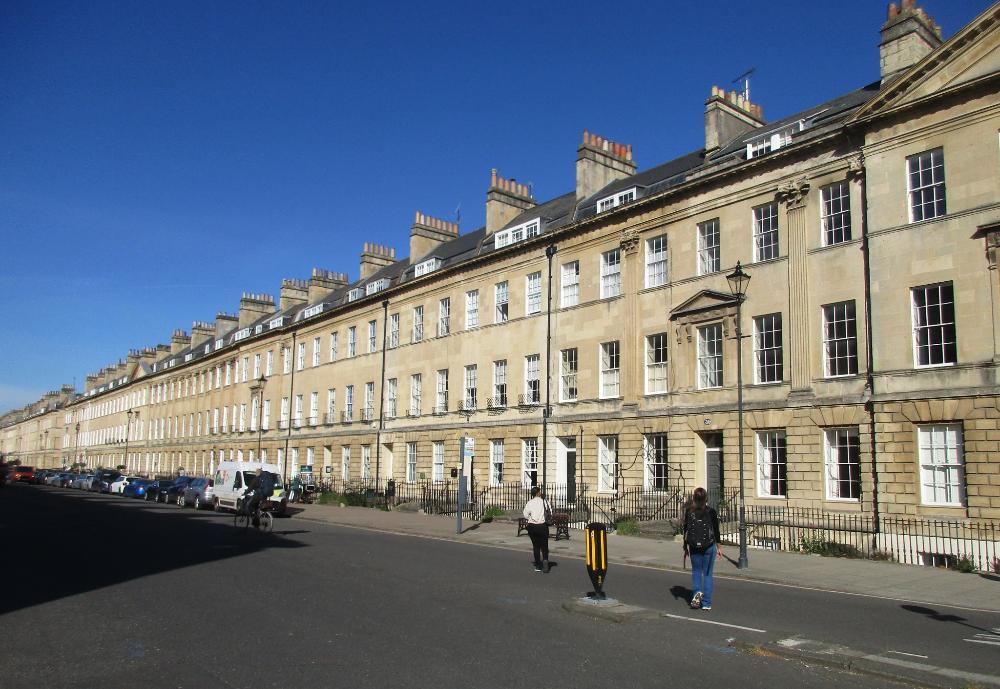
| Great Pulteney Street is a grand Georgian thoroughfare. Jane Austen lived nearby and frequently walked this street. It appears in both "Northanger Abbey" and "Persuasion." |
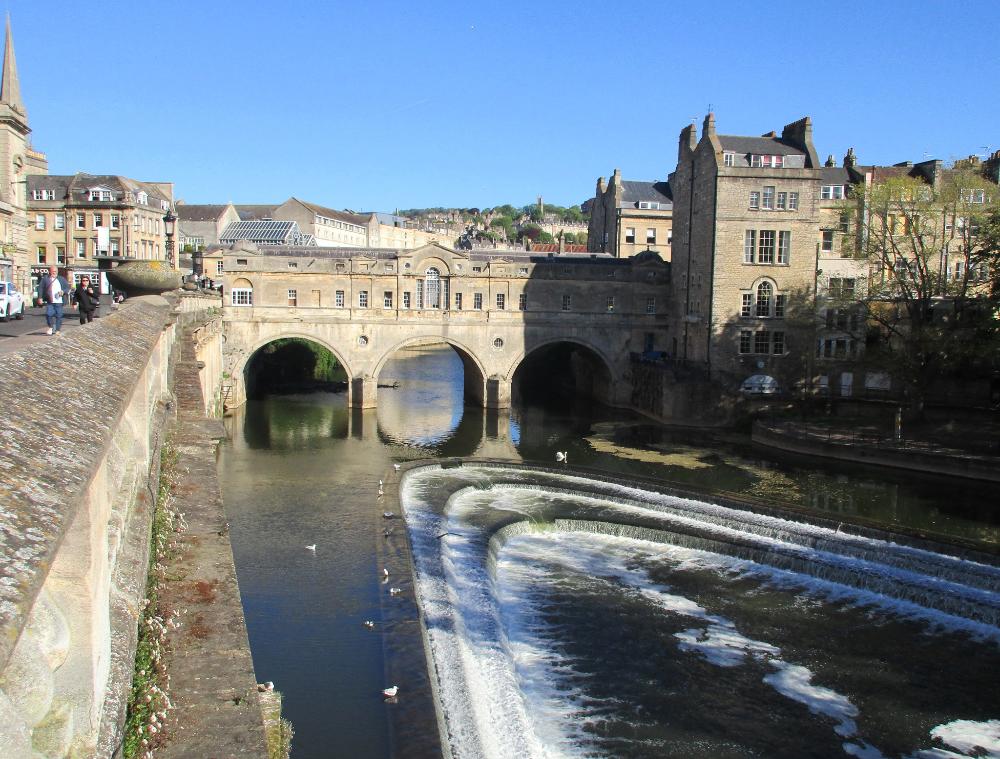
| Pulteney Bridge -- an iconic landmark in Bath -- is one of only four bridges in the world with shops lining its full span on both sides |
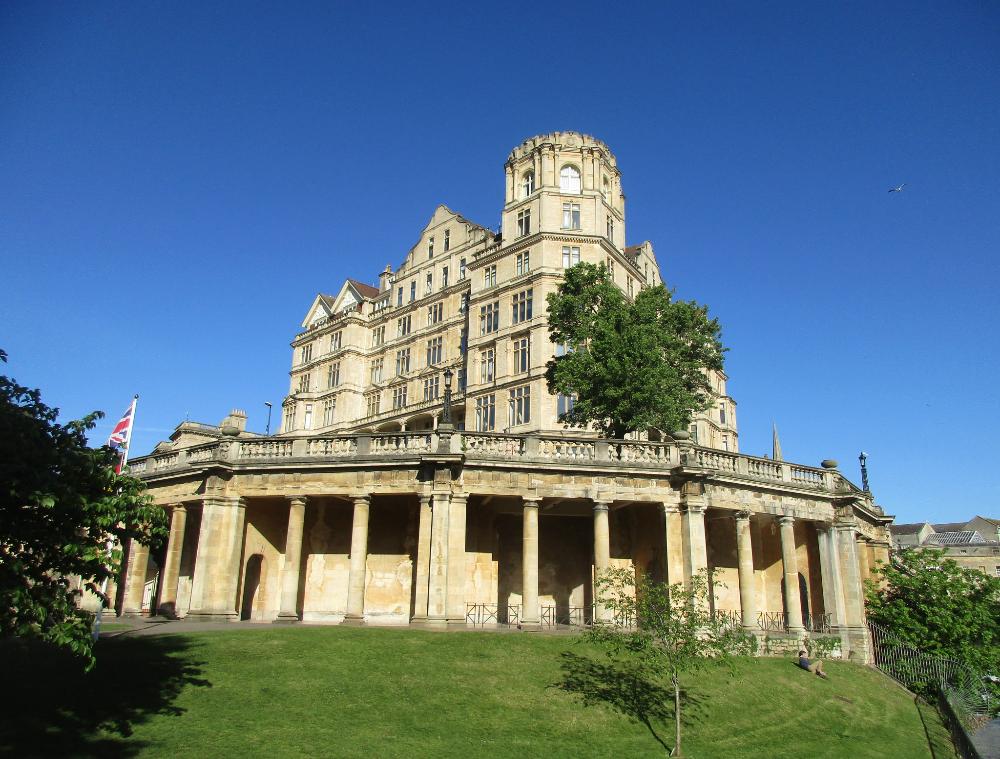
| The former Empire Hotel occupies a prominent riverside location next to Pulteney Bridge |
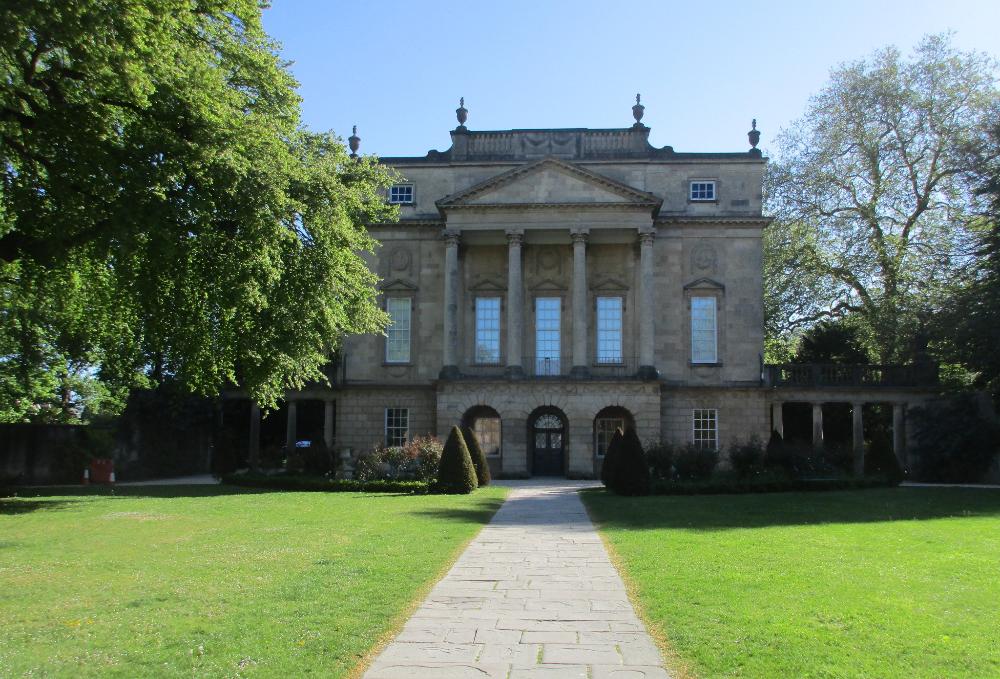
| At the end of Pulteney Street is the Holburne Museum -- which you may recognize as the home of Lady Danbury in “Bridgerton” |
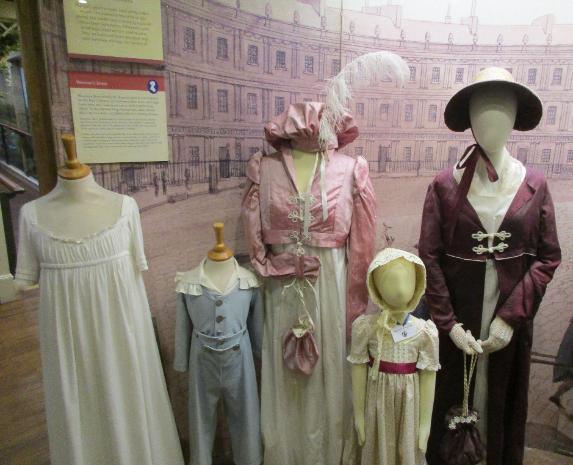
| There was also the chance to play dressup -- a highlight for many. We enjoyed our visit but wouldn't consider it a must-see if time is tight. |
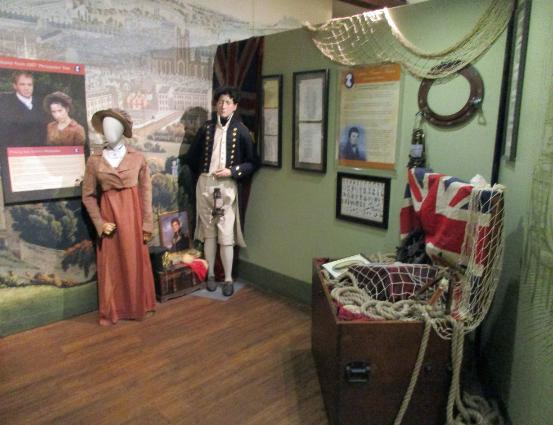
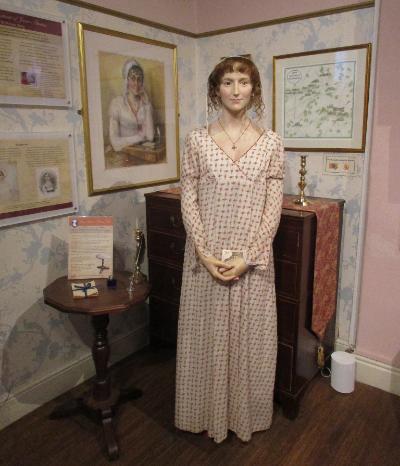
| Then we toured the museum, which included a short film, a gaming table with games Jane liked to play, a tea-smelling game, a chance to write with a quill (not easy for a lefty), various and sundry displays about her life, autographed posters of actors and actresses who had visited the Centre, and so on. |
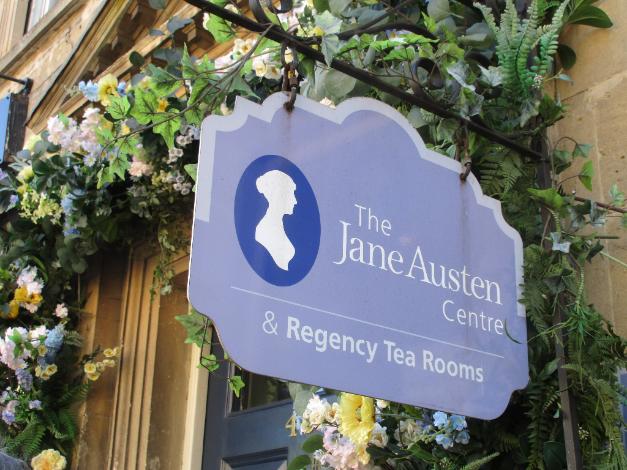
| Jane Austen Centre |
| Roman Baths |
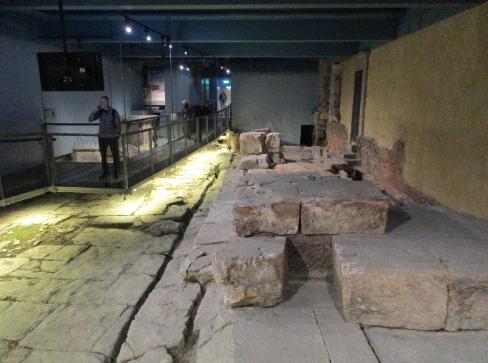
| The layout of the museum is great -- it's essentially a one-way tour that takes you through the entire facility |
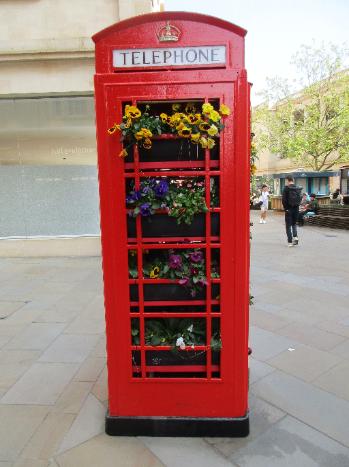
| Repurposed telephone booth filled with flowers |
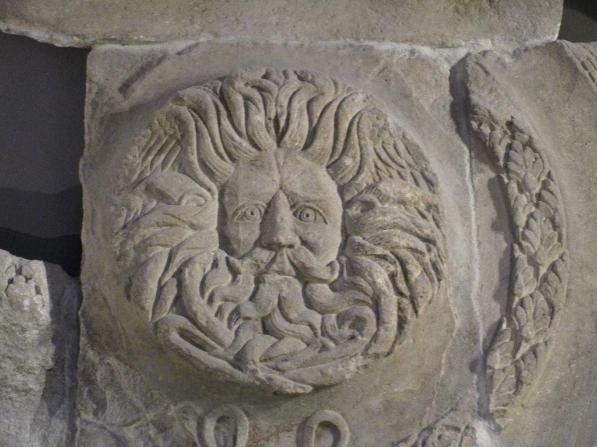
| This famous Gorgon’s head was discovered in the 1790s, but it wasn't until 1878 that major excavations began in earnest, unearthing the entire vast -- and largely intact -- complex |
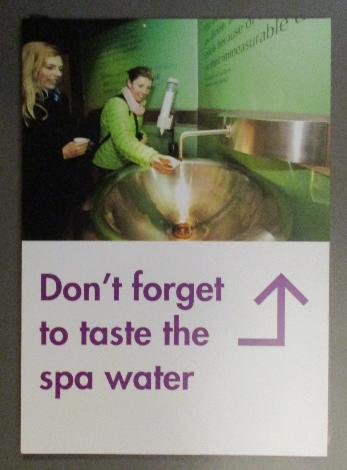
| We tasted it! It's mineral-rich and safe -- or so they say! |