
Where We Be
 | |  | |  | |  | |  | |  | |  |


| Stonehenge & Cotswolds Tour |
Our Mad Max full-day tour of the Cotswolds and
Stonehenge was excellent. Our group of 16 met
outside Bath Abbey Hotel, a five-minute walk
from our lodgings. Bill, our guide, was funny and
a wealth of honest information. We started our
tour with two quaint Cotswold towns -- Castle
Combe and Lacock -- then transitioned to two
“henges,” Avebury and Stonehenge. Here's how
Mad Max's brochure describes each site:
Castle Combe: The "prettiest village in England."
Its honey-coloured cottages and babbling brook
create a Cotswold scene straight from the pages
of a storybook.
Lacock: Picture-perfect National Trust village
with cobbled streets and medieval cottages. It's
a famous filming location from Harry Potter to
Downton Abbey.
Avebury: A unique village built inside the world's
largest stone circle. You are free to wander
among the ancient stones and even touch them.
Stonehenge: An icon of prehistoric engineering,
its colossal stones were transported hundreds
of miles and aligned with the solstices -- an
enduring 4,500-year-old mystery.
Stonehenge was excellent. Our group of 16 met
outside Bath Abbey Hotel, a five-minute walk
from our lodgings. Bill, our guide, was funny and
a wealth of honest information. We started our
tour with two quaint Cotswold towns -- Castle
Combe and Lacock -- then transitioned to two
“henges,” Avebury and Stonehenge. Here's how
Mad Max's brochure describes each site:
Castle Combe: The "prettiest village in England."
Its honey-coloured cottages and babbling brook
create a Cotswold scene straight from the pages
of a storybook.
Lacock: Picture-perfect National Trust village
with cobbled streets and medieval cottages. It's
a famous filming location from Harry Potter to
Downton Abbey.
Avebury: A unique village built inside the world's
largest stone circle. You are free to wander
among the ancient stones and even touch them.
Stonehenge: An icon of prehistoric engineering,
its colossal stones were transported hundreds
of miles and aligned with the solstices -- an
enduring 4,500-year-old mystery.
| Stonehenge was the last stop on our tour. It was the highlight of our day, but all four parts of this tour were excellent. |
| Castle Combe |
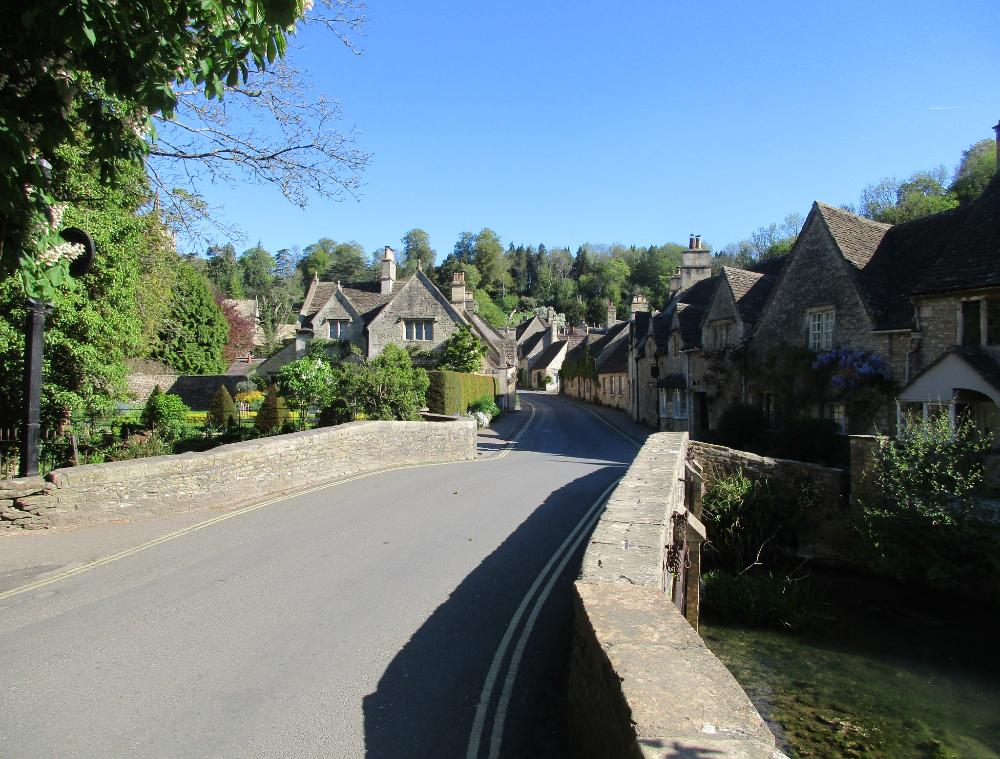
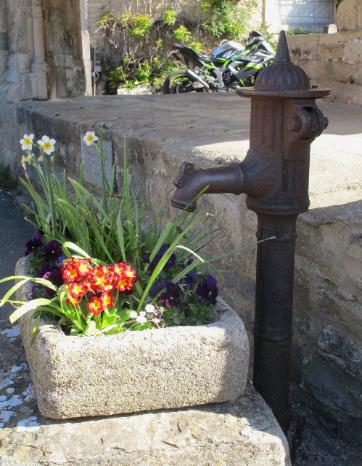
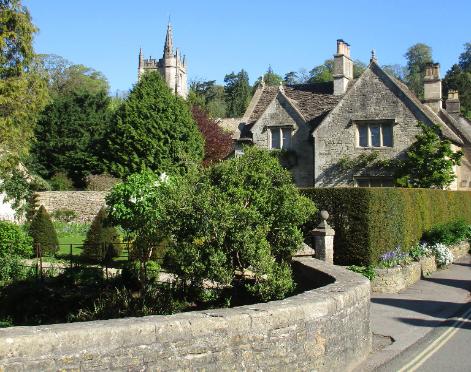
| We arrived at "the prettiest village in England" before all the tourists (other than ourselves) |
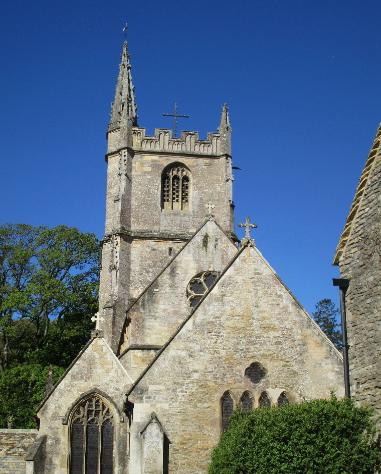
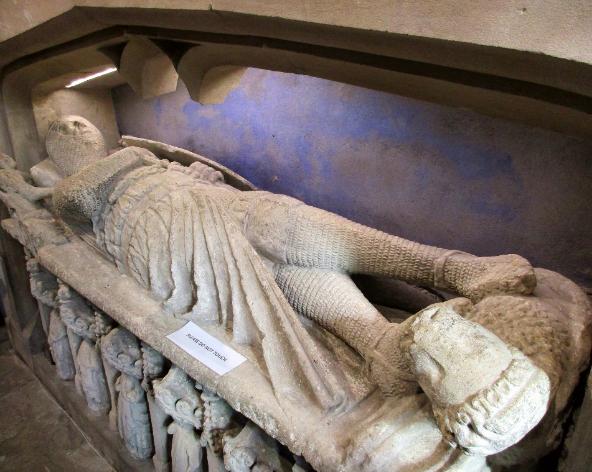
| St. Andrews Church dates back to the 13th century and contains the elaborate tomb of a Crusader knight. The knight's legs are crossed to signify he'd fought in two campaigns. |
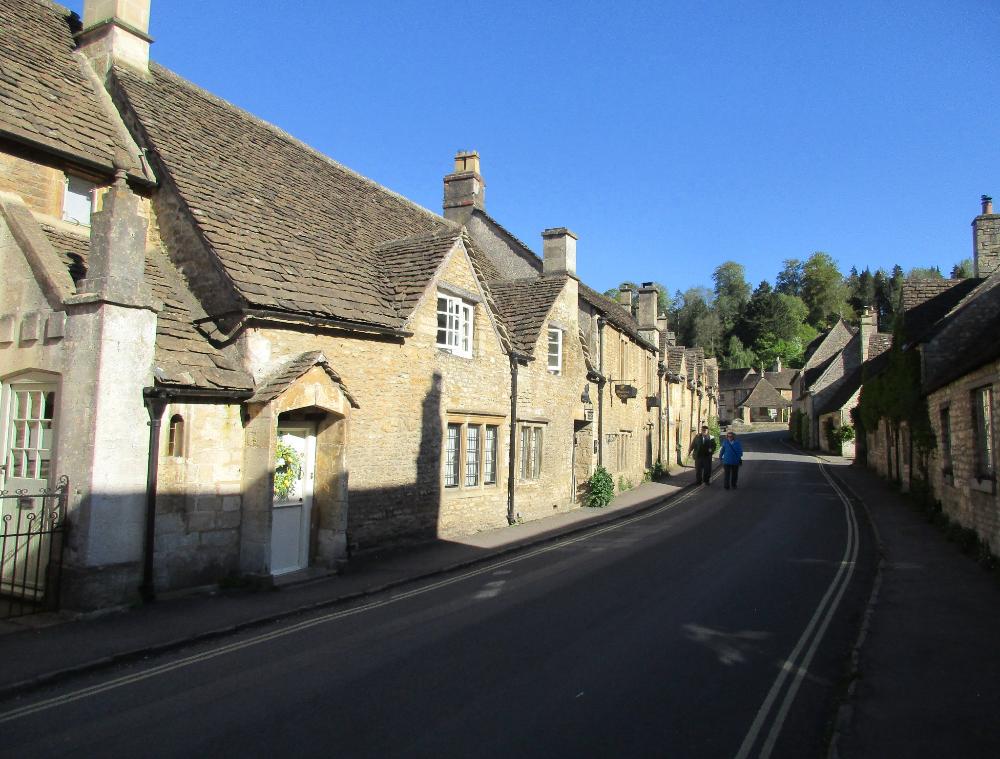
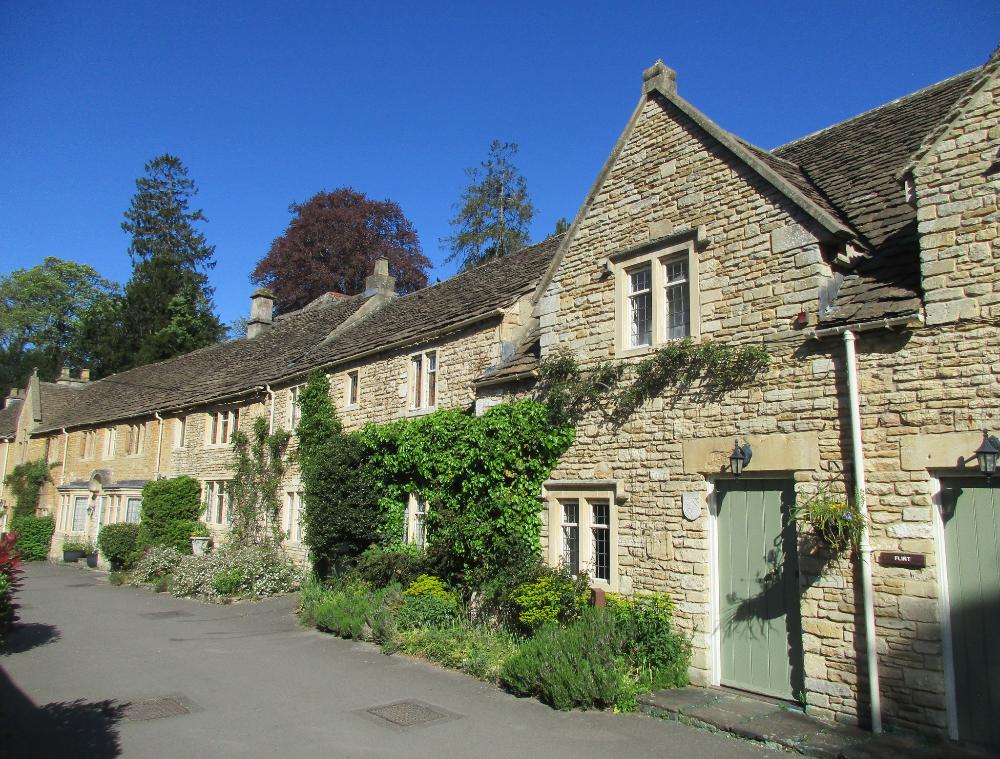
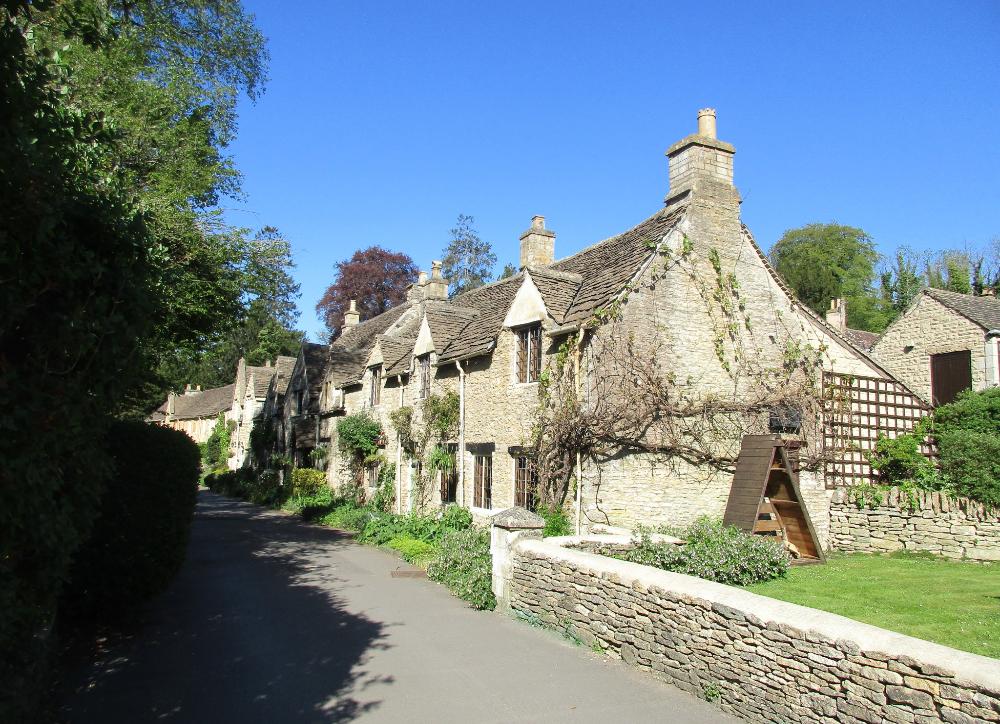
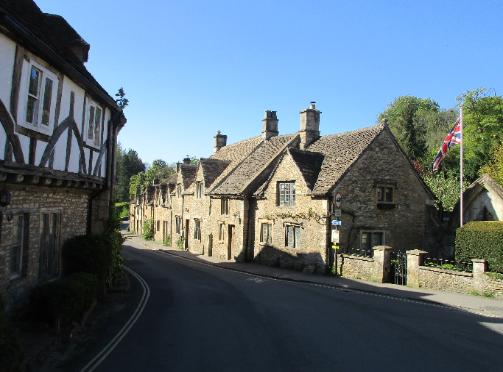
| This is one quaint little town, with spinners’ and weavers’ cottages on the main street |
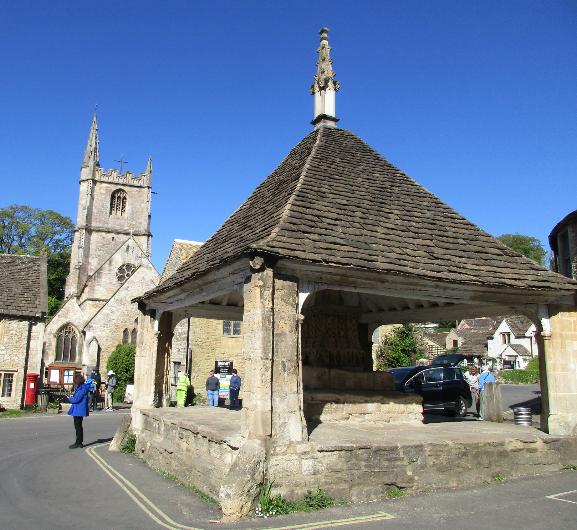
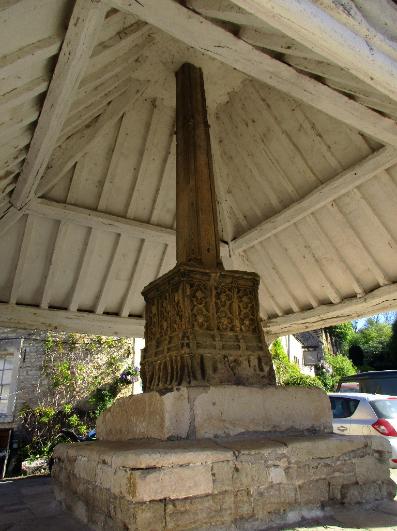
| This 14th-century "Market Cross" was a big deal back in the day. The village was granted the right to hold a weekly market -- a nod to the area's booming medieval cloth and wool industry. |
| The morning lighting on the honey-colored cottages was superb |
| Bill showed us around for half an hour, then we had a short time to explore the village on our own |
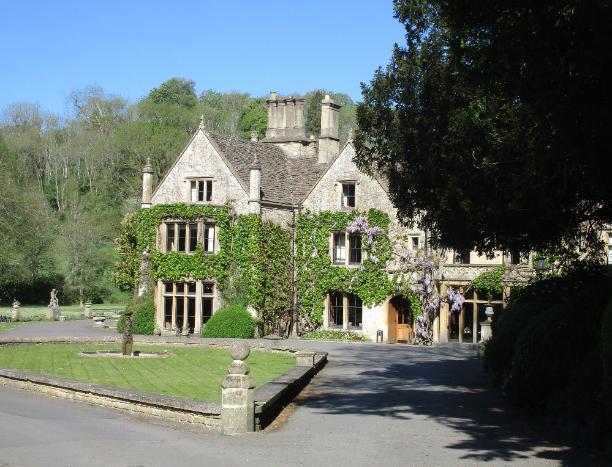
| What makes Castle Combe special is that its historic core hasn't changed since the 15th century |
| With no telegraph poles, no TV antennas, and no new houses built since about 1600, it feels like stepping directly into a living period film |
| Lacock |
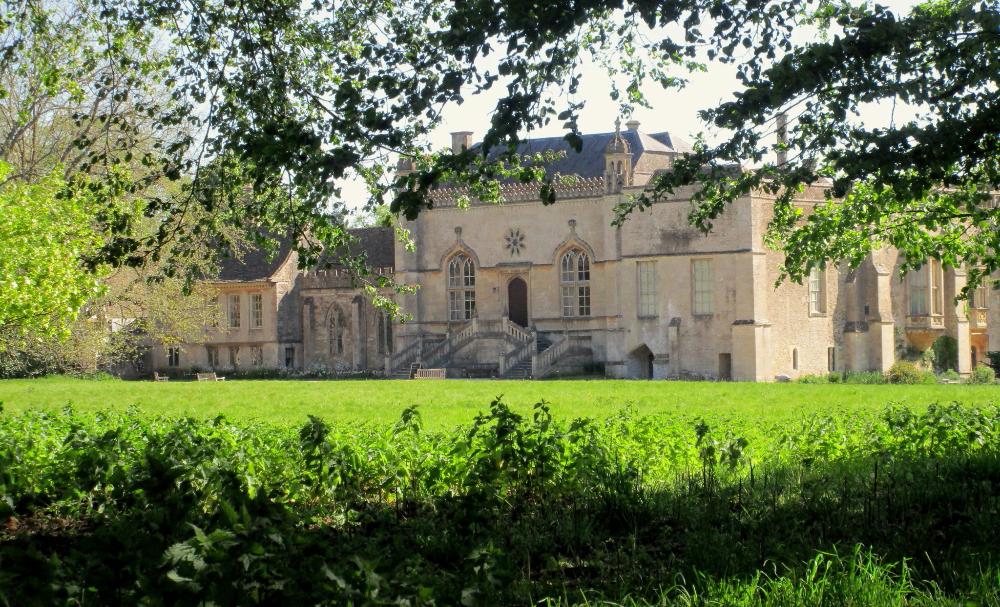
| This is Lacock Abbey at the edge of town -- a major filming site for the Harry Potter films, standing in as Hogwarts corridors and classrooms |
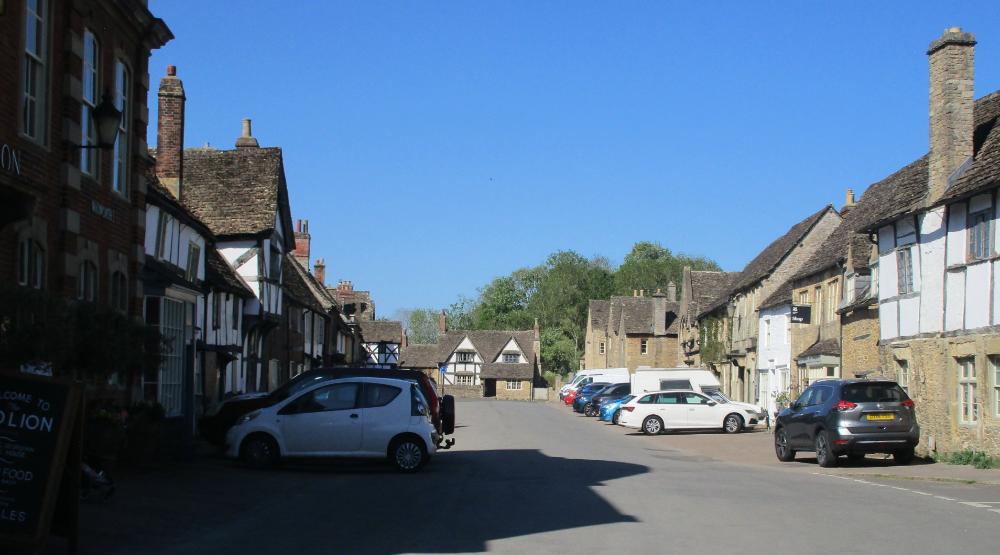
| The only thing marring the illusion is the cars. Bill told us how movie producers would treat everyone to free beer at the pub if they moved their cars, plus a little extra payment and the possibility of being extras in the movies! |
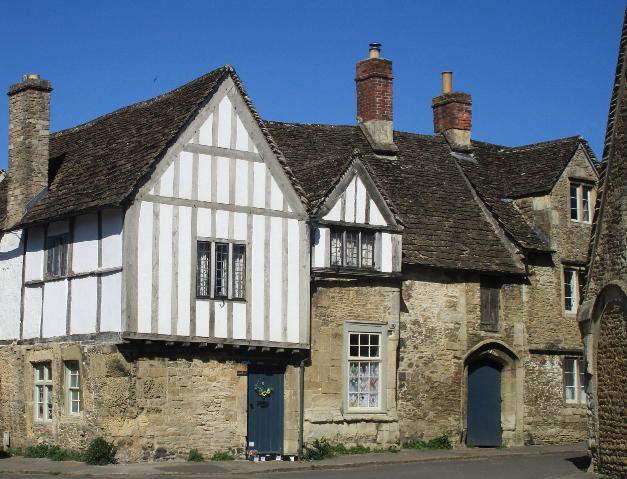
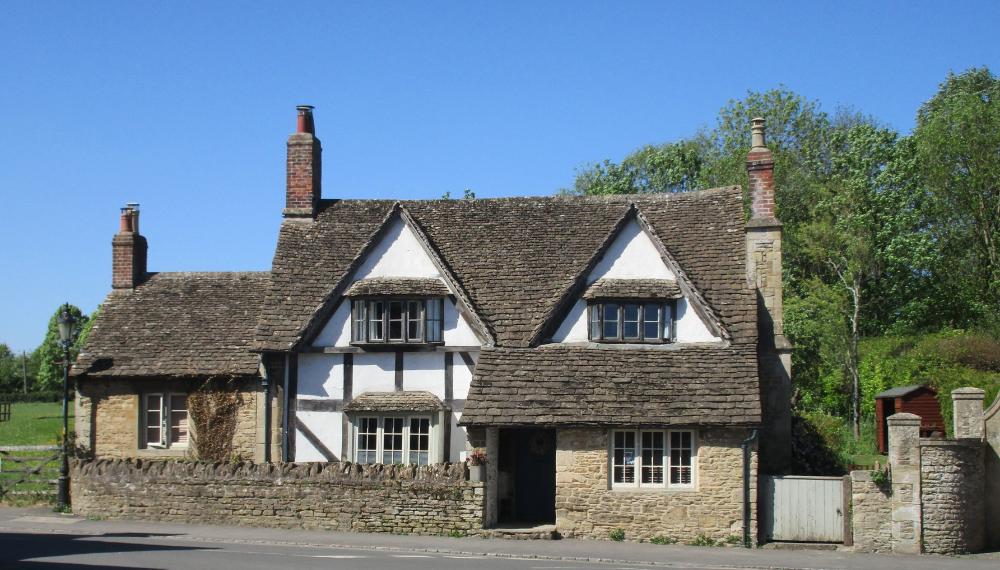
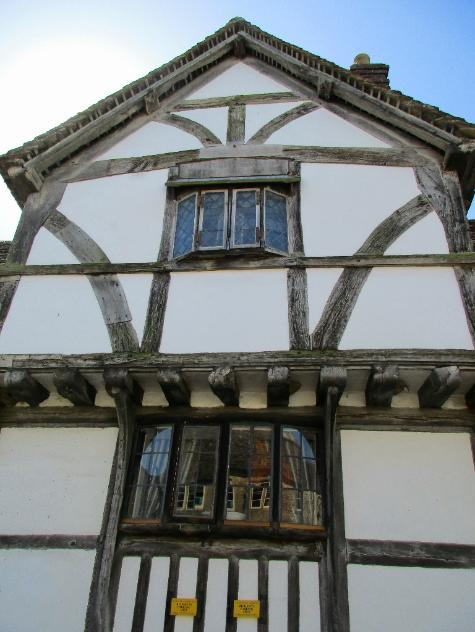
| The Tudor-like cottage at the end of the main street is especially identifiable (see above) |
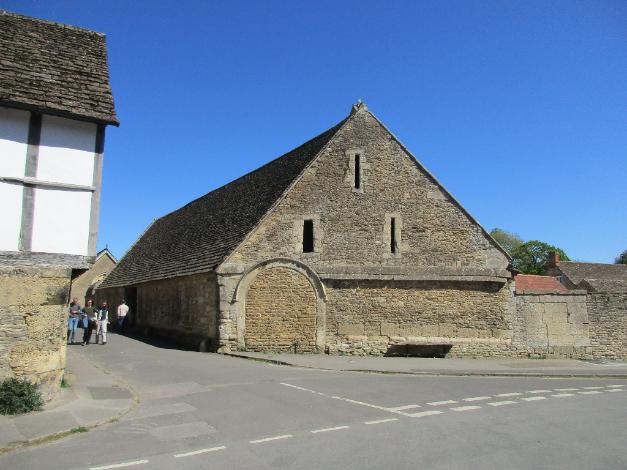
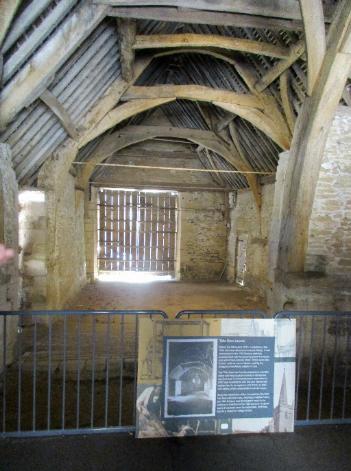
| The Tithe Barn (so-called because 10% of all produce was tithed to the church) is another key building visible in the "Pride and Prejudice" miniseries |
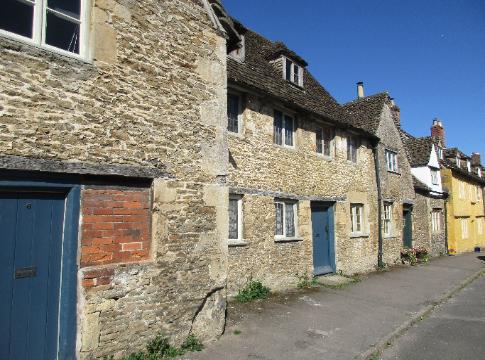
| Notice the bricked-up window. At one point buildings were taxed based on how many windows they had, so this was a quick fix to lower your taxes! |
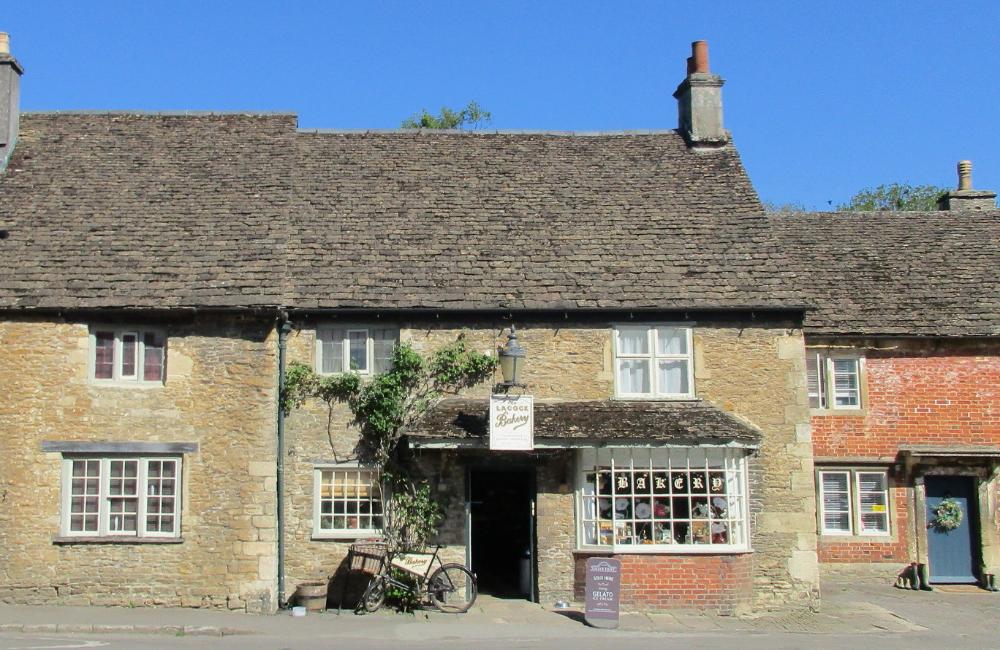
| This bakery is prominently featured in the BBC's television adaptation of "Cranford" |
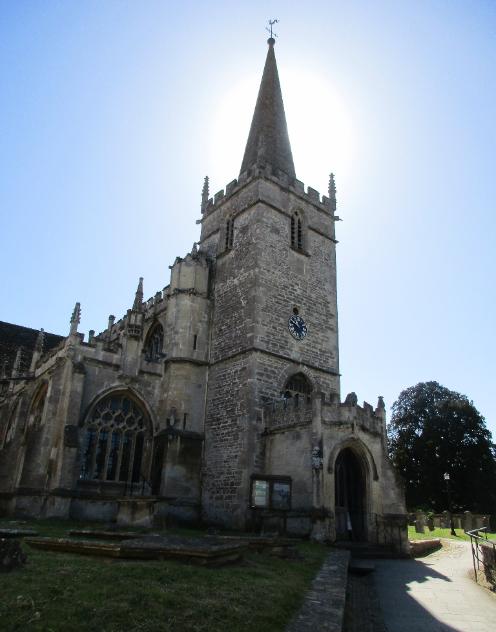
| Camilla Parker-Bowles (now queen of England) owns a country retreat just outside Lacock. Bill showed us a photo of Camilla and Charles in front of the church above, where they attended Camilla’s daughter’s wedding. |
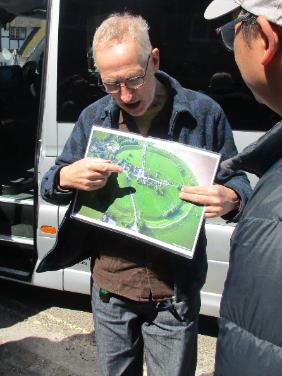
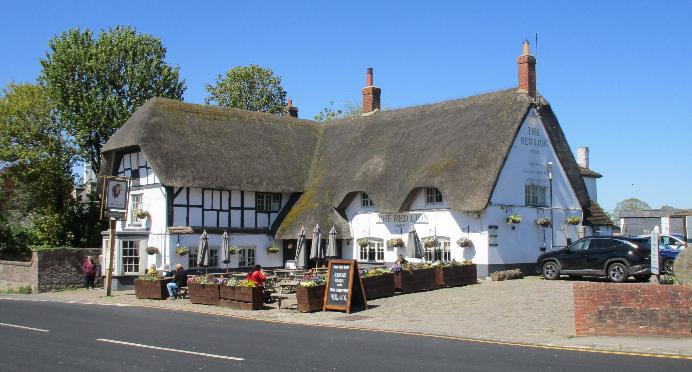
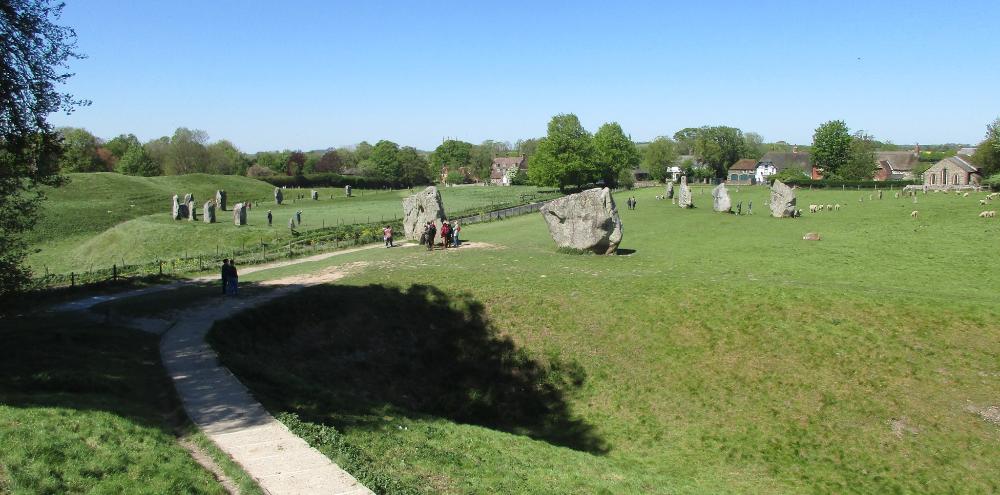
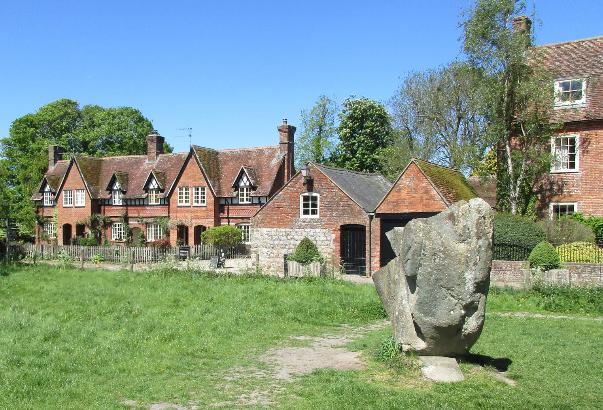
| Avebury is the largest megalithic stone circle in the world. Bill showed us a map and said this henge was so big it could fit four Stonehenges inside it. The historic Red Lion Inn is uniquely situated inside the stone circle -- making it the only pub in the world built directly within a prehistoric stone monument! |
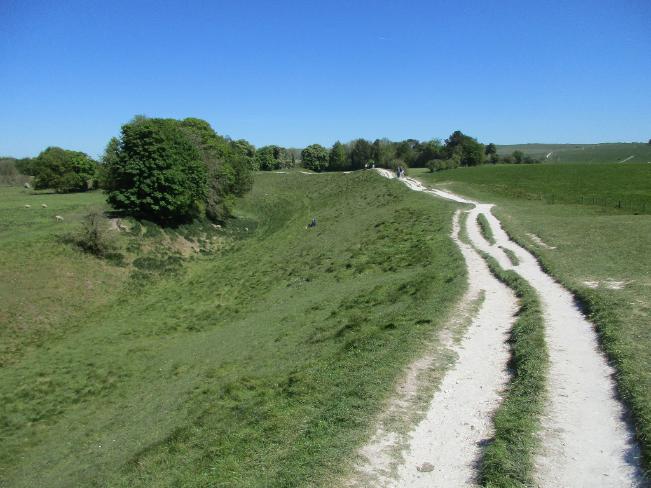
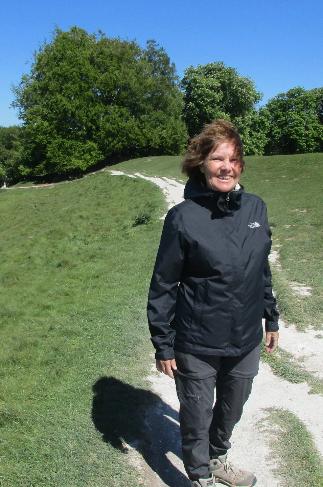
| We learned that a “henge” is a manmade ring-shaped bank with a ditch inside -- and it can be absolutely enormous. The path you see above is part of the henge. Constructed around 2500 BC, it is nearly one mile in circumference and contains the world's largest stone circle -- all built using rudimentary tools like deer antlers and bone. |
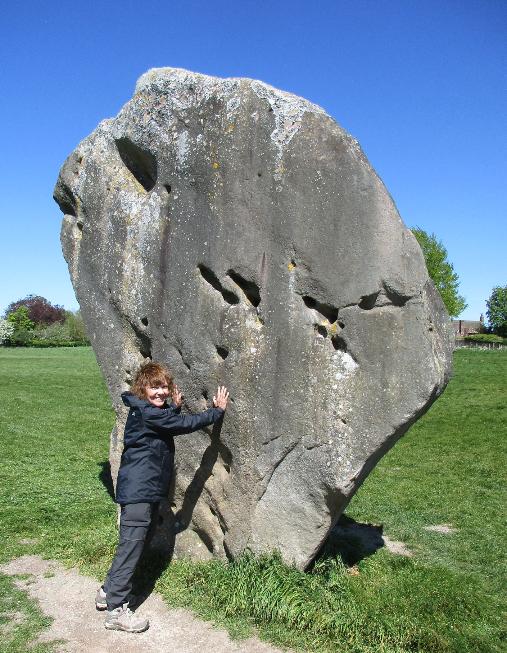
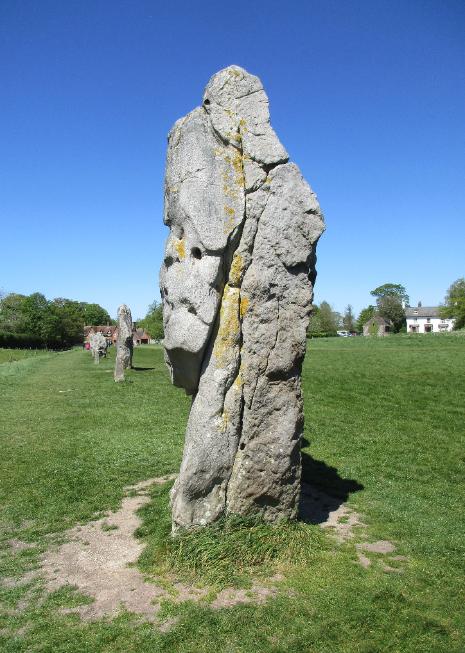
| Some of the sarsen stones inside the henge weigh over 40 tons. Bill told us it’s the only henge in the world containing a pub, a café, a visitor’s center, and a section of road |
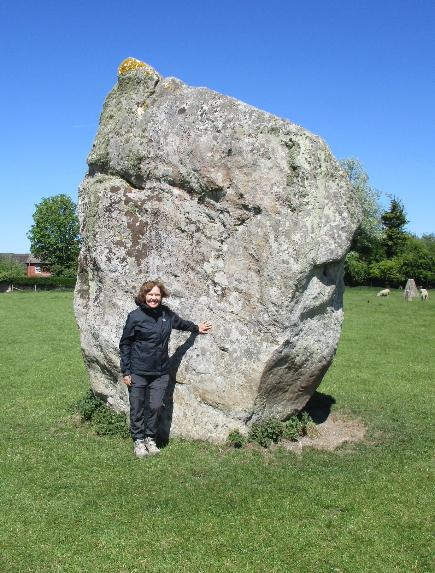
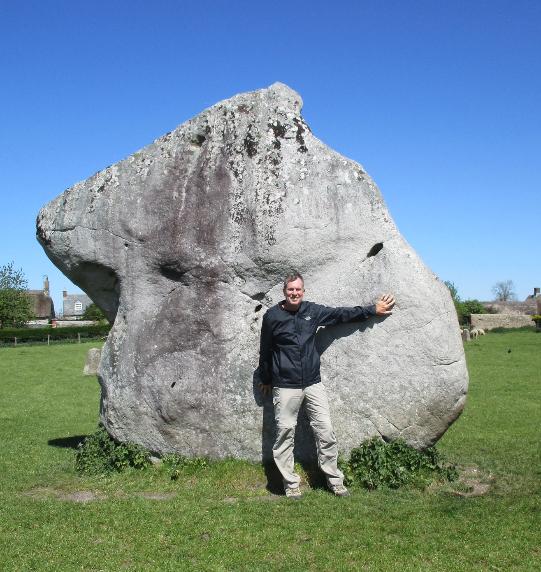
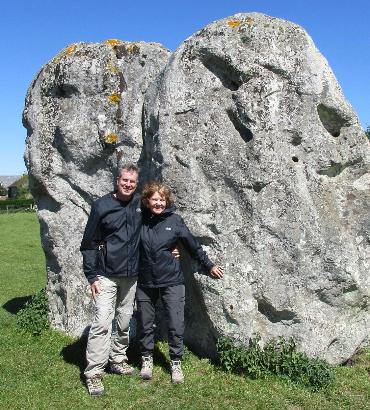
| The big thing here is you can actually walk up and touch the stones |
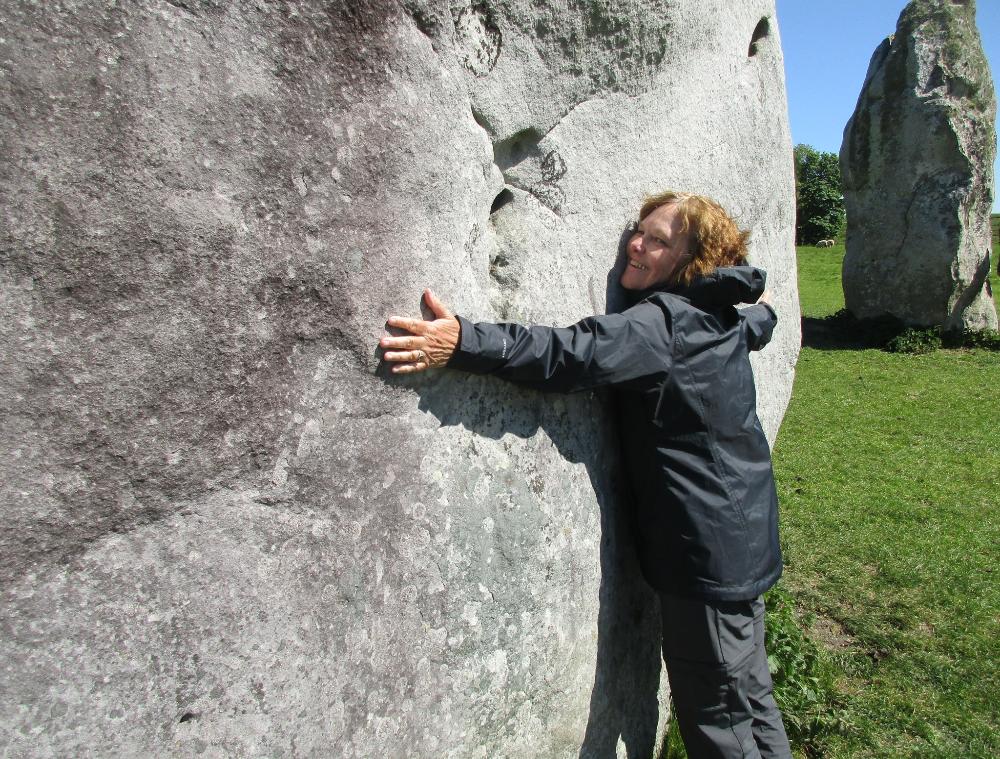
| Or hug them! |
| Robin tried but wasn't transported anywhere! |
| Avebury is unique because it encompasses a living English village |
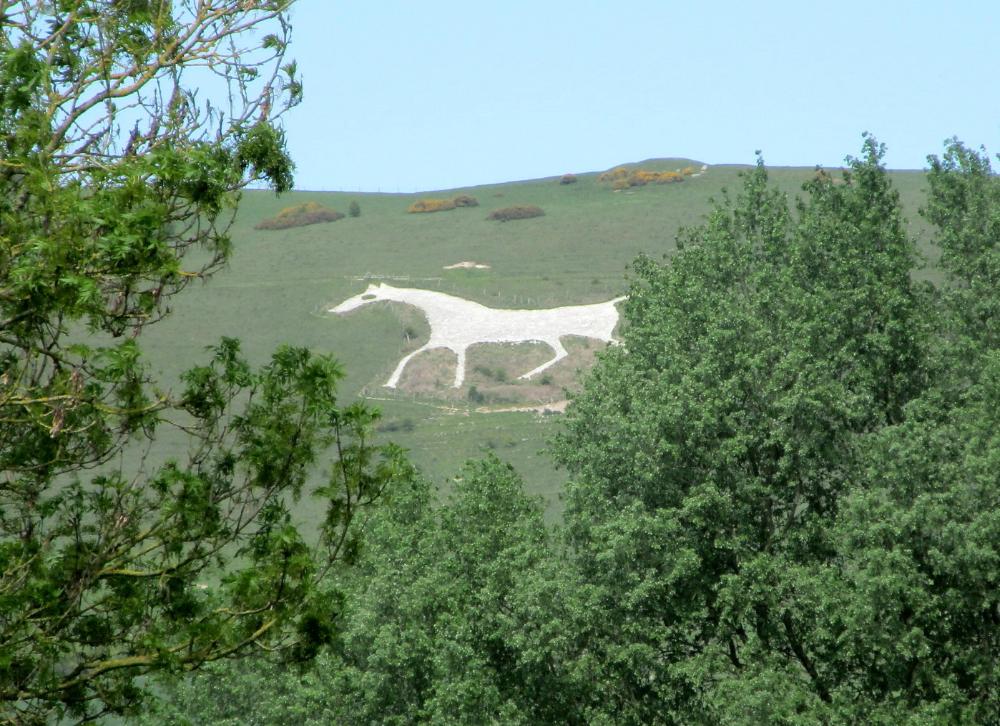
| On our way to Stonehenge, Bill pointed out this enormous white horse -- the Alton Barnes White Horse -- carved into the chalky hillside. It's one of 16 such "geoglyphs" in England. |
| The National Trust village of Lacock has zero modern streetlights, satellite dishes, or telephone wires, making it a highly popular filming location for period dramas such as "Downton Abbey" |
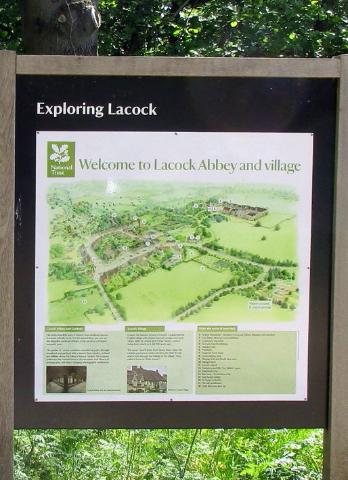
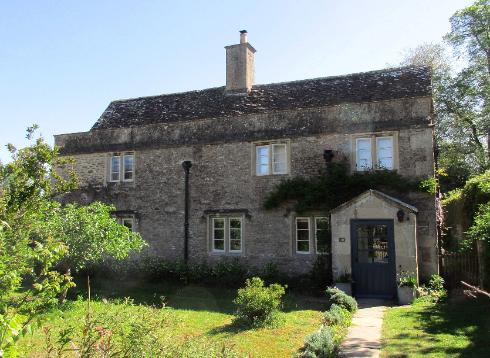
| This Lacock cottage served as the home of Lily and James Potter in Godric’s Hollow (where Harry got his scar) |
| Avebury |
| The visitor center includes a fantastic 360-degree show that allows you to "step inside" the ancient stone circle during the summer and winter solstice. It shows Stonehenge at its peak, then shows changes in its structure over thousands of years, from its roots with just bluestones from Wales, then with the bluestones moved inside the larger intact ring, and then in its current partially ruined state. |
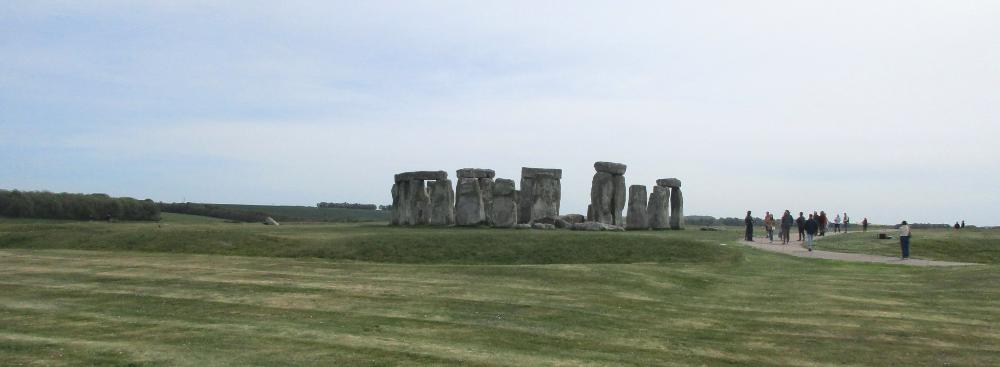
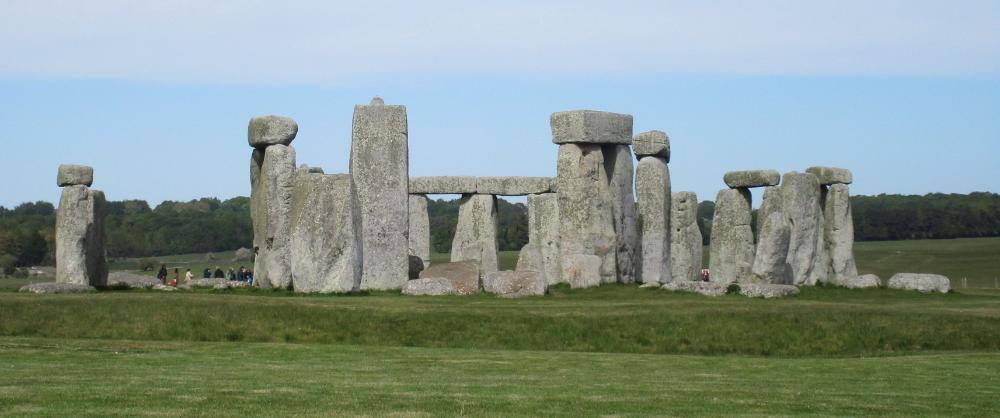
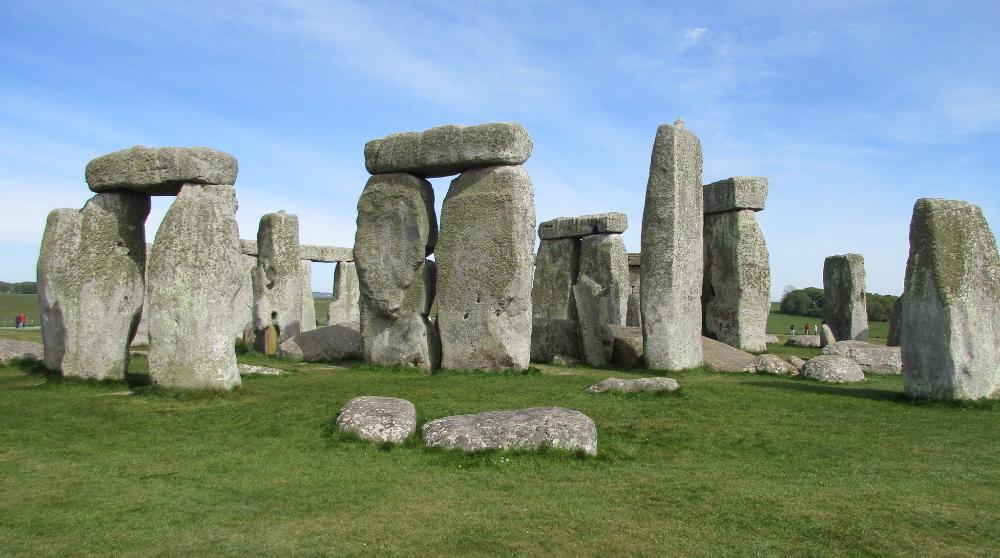
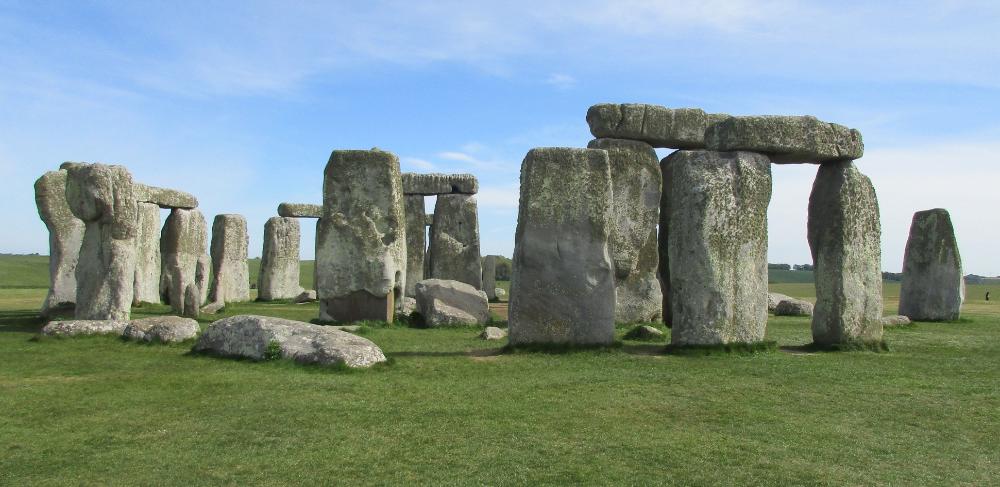
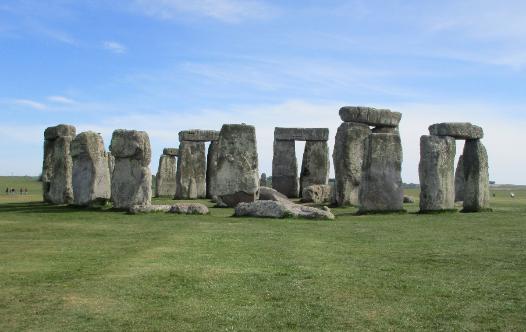
| Zoomed-in view of the inner circle at Stonehenge |
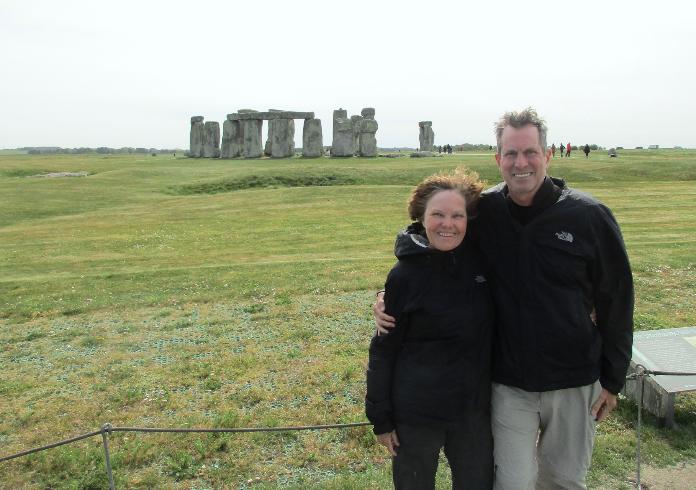
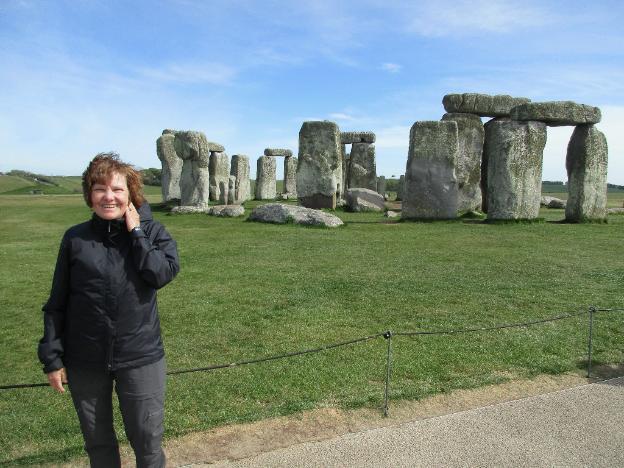
| This was as close as we were able to get to Stonehenge. You can’t go inside the ring these days (in fact not since 1977) -- except on solstice days, when thousands of people attend. |
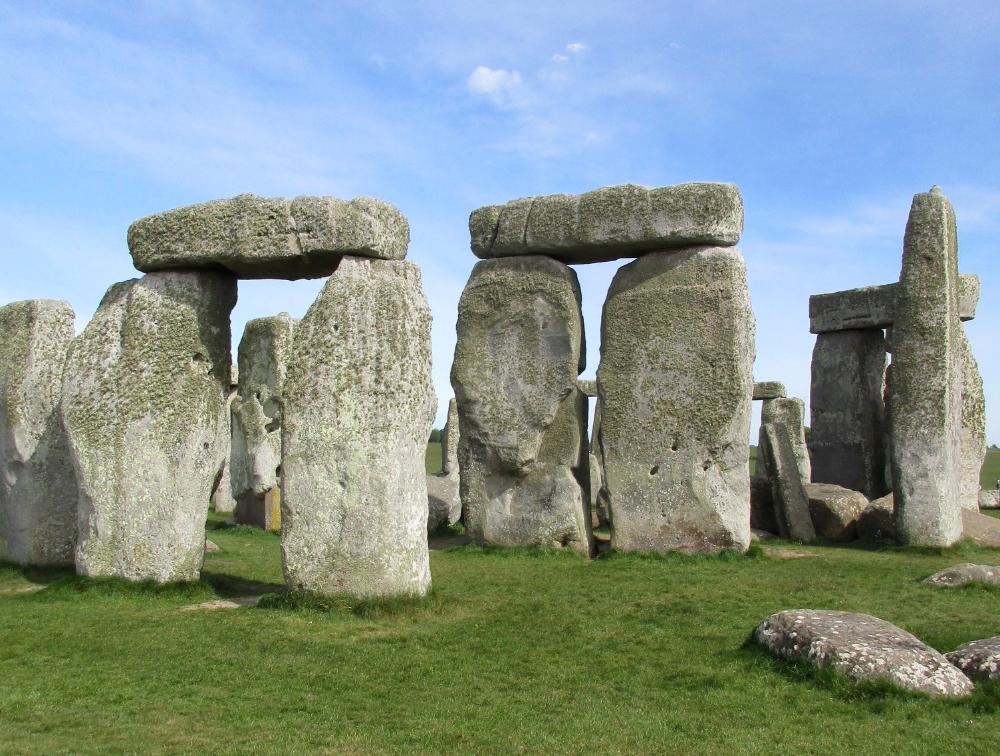
| This is the only stone circle in the world with lintel stones (the horizontal capstones resting atop two vertical stones), making it especially impressive |
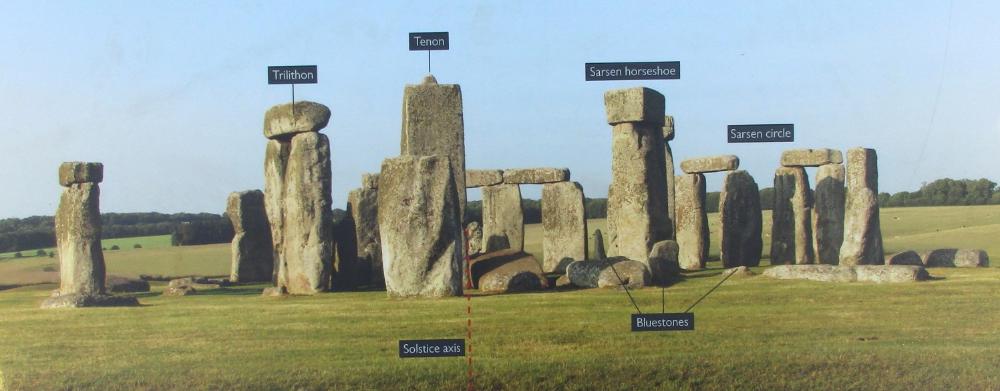
| Compare this image to the sign below to learn a little something about the different types of stones at the site |
| Bluestones are the smaller non-local stones that make up the inner horseshoe and the outer circle. They stand in contrast to the massive, locally sourced sarsen stones. |
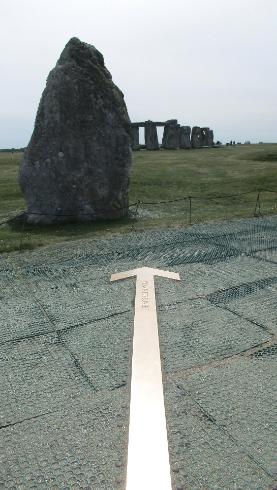
| The brass marker points exactly towards the summer solstice sunrise and winter solstice sunset |
| Stonehenge was every bit as impressive as we had imagined. We listened to an audio tour as we circled clockwise, moving closer and closer to the stones. |
| Stonehenge |
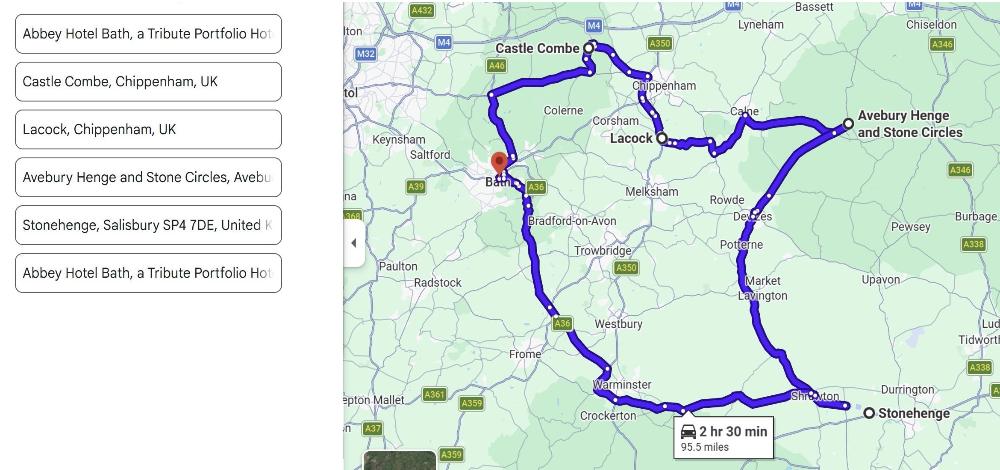
| The tour started and ended in Bath (the red pin). Bill drove us in a clockwise direction to 1) Castle Combe, 2) Lacock, 3) Avebury, and 4) Stonehenge. |
| Map Data 2026 Google |
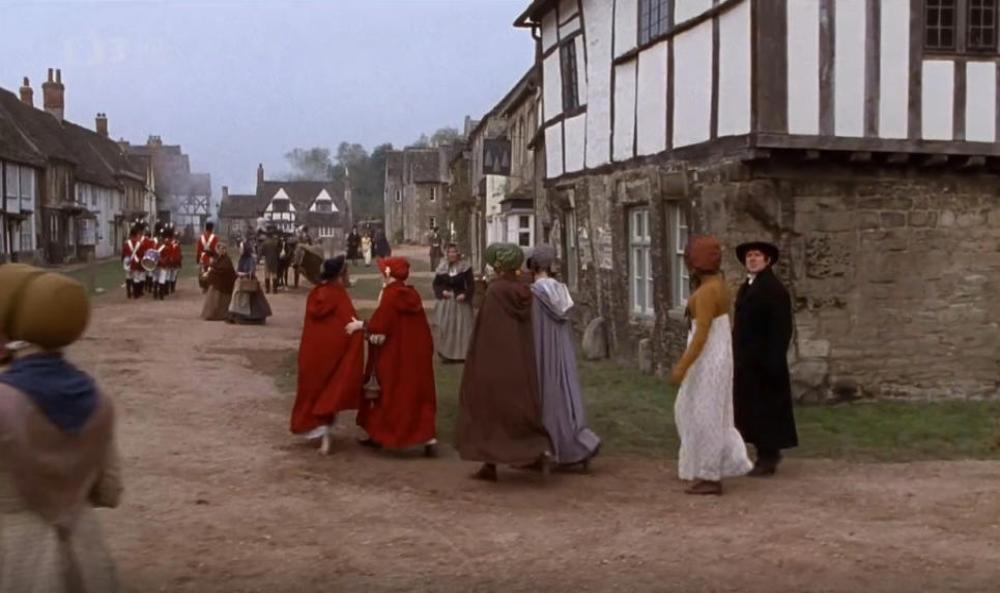
| Just put some dirt and grass down over the asphalt, and voilà! you have yourself a movie set that feels like the old days. Lacock stood in as the town of Meryton in the 1995 BBC miniseries "Pride and Prejudice." |